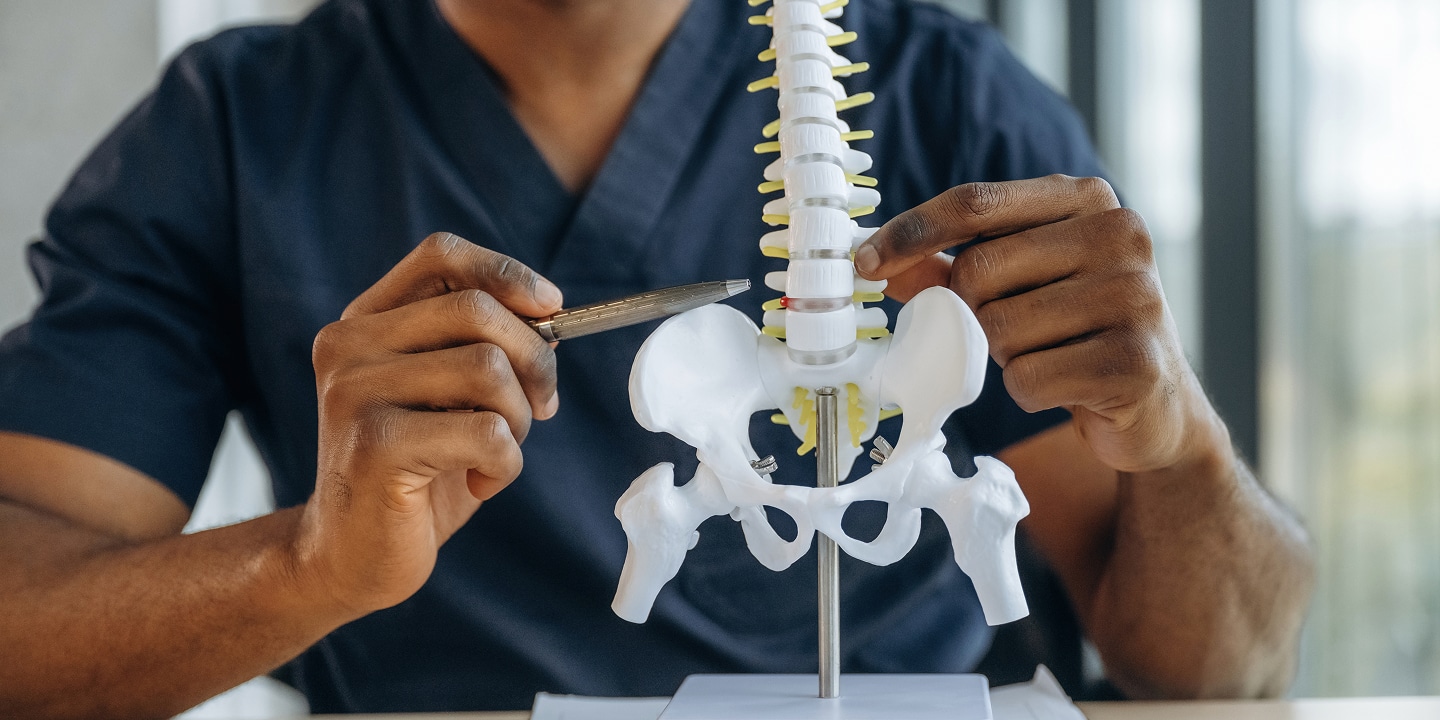
Many people live with neck or back pain for months or years without knowing the exact cause. Dr. Sanjay Ghosh is a board-certified neurosurgeon in Mission Valley, San Diego, who evaluates a wide range of spinal problems—from disc issues and pinched nerves to complex trauma and tumors.
This page gives an overview of the spinal (back and neck) conditions we treat and links to more detailed information about each one. If you already have a diagnosis, you can find your condition below. If you are not sure what is causing your symptoms, these summaries can help you understand what might be going on and when to seek care.
Cervical Disc Herniation
A cervical disc herniation occurs when the soft inner part of a disc in the neck pushes through a tear in the outer layer. It can press on nearby nerves or the spinal cord, causing neck pain, shoulder blade pain, and pain, numbness, or weakness that travels into the arm or hand. Learn More
Disc Extrusion
Disc extrusion is a more advanced type of herniated disc. A larger piece of disc material pushes out and can compress a nerve or the spinal cord more severely, often leading to stronger pain, numbness, or weakness in the arms or legs. Learn More
Disc Protrusion
A disc protrusion (sometimes called a “bulging disc”) happens when the disc bulges outward but is not fully herniated. It can still narrow the space around a nerve and cause neck or back pain, stiffness, and occasionally radiating symptoms. Learn More
Bone Spur
Bone spurs are extra bits of bone that can form along the spine as part of age-related wear and tear. Many are painless, but some can narrow the openings where nerves travel, leading to neck or back pain, tingling, or weakness if a nerve becomes pinched. Learn More
Lower Back (Lumbar) & General Spine Conditions
Bulging Disc
A bulging disc occurs when the disc flattens and extends beyond its usual space. It may cause localized back pain or, if it presses on a nerve, pain that travels into the buttock or leg. Learn More
Disc Herniation
A disc herniation means inner disc material has broken through a tear in the outer layer and is pressing on a nerve. In the lower back, this often causes sharp, shooting pain down the leg (sometimes called “sciatica”), along with numbness or weakness. Learn More
Collapsed Disc
With time or injury, a disc can lose height and “collapse.” This brings the vertebrae closer together, may add stress to the joints, and can narrow the spaces where the nerves and spinal cord sit, leading to chronic neck or back pain and sometimes nerve symptoms. Learn More
Lumbar Stenosis
Lumbar spinal stenosis is a narrowing of the spinal canal in the lower back. It commonly causes aching, heaviness, or cramping in the legs when you stand or walk, which improves when you sit or bend forward. Some people also notice numbness, tingling, or weakness in the legs. Learn More
Pars Defect
A pars defect is a stress fracture in a small piece of bone at the back of the spine. It often appears in younger athletes and can cause low back pain that worsens with extension or certain sports. In some people, it can lead to a slip of one vertebra over another (spondylolisthesis). Learn More
Spondylolisthesis
Spondylolisthesis occurs when one vertebra slips forward over the one below it. This can narrow the spaces for nerves and cause back pain, leg pain, numbness, or weakness, especially with standing and walking. Learn More
Radiculopathy
Radiculopathy means a spinal nerve root is irritated or compressed. It can occur in the neck, mid-back, or lower back and often causes sharp, shooting pain, numbness, tingling, or weakness along the path of the affected nerve—for example, into the arm or down the leg. Learn More
Sciatica
Sciatica is a specific type of radiculopathy that affects the sciatic nerve in the lower back. It typically causes burning, electric, or shooting pain that travels from the low back into the buttock and down the back of the leg, sometimes reaching the foot. A lumbar disc herniation is a common cause. Learn More
Spinal Canal Stenosis
Spinal canal stenosis refers to overall narrowing of the central spinal canal anywhere along the spine. When the canal becomes too tight, it can compress the spinal cord or multiple nerves, leading to pain, numbness, balance problems, or difficulty walking, depending on the level involved. Learn More
Spinal Cord Compression
Spinal cord compression occurs when something—such as a herniated disc, bone spur, thickened ligament, tumor, or trauma—presses directly on the spinal cord. Symptoms can include clumsiness, trouble with balance, changes in walking, or problems with bowel or bladder control. These are warning signs that require urgent evaluation. Learn More
Spine Trauma
Spine trauma includes fractures, dislocations, and other injuries to the bones and soft tissues of the spine, often from falls, motor-vehicle collisions, sports, or work accidents. Some injuries are stable and can be treated without surgery. Others threaten the spinal cord or nerves and need urgent surgical stabilization. Learn More
Spine Tumors
Spine tumors are abnormal growths in or around the spinal column. They may be benign or malignant and can arise from the vertebrae, the coverings of the spinal cord, or the nerves themselves. As they enlarge, they can cause back pain, nerve pain, numbness, weakness, or spinal instability. Learn More
Not all neck or back pain means something serious. But you should seek prompt evaluation if you notice:
These can be signs of nerve or spinal cord compression, which may need timely treatment to prevent permanent damage.
Dr. Sanjay Ghosh and his team in Mission Valley, San Diego, offer careful diagnosis and individualized treatment plans for spinal conditions, including both nonsurgical and surgical options. If neck or back pain is limiting your life, we can help you understand your diagnosis and next steps.
To request an appointment, please contact our office or call (619) 810-1010.
Patients who regained strength and independence through precise, compassionate care.
Thank you to a man who comes to this church, who’s one of the great surgeons. He did something that’s pretty much impossible. His name is Sanjay Ghosh. Everybody wants to know who did Donna’s surgery — I’m just going to tell you straight out: it’s him. You do what you want to do with that, but that’s true. And he’s amazing, and we’re so grateful. He was a gift of God to us at this particular time.

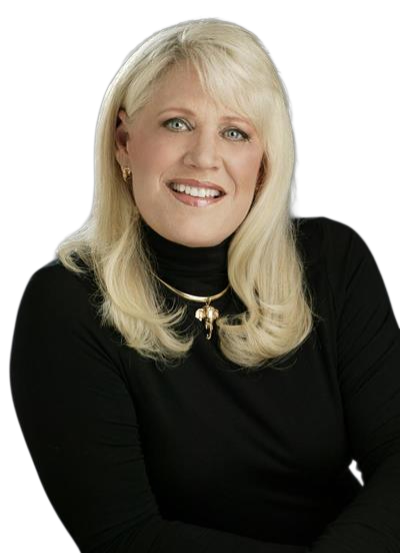
For the most of my life, I have trained and presented wildlife in public conservation education programs and the media. My work is often very physically demanding and I have used the Senta Clinic and Dr. Sanjay Ghosh to treat my spinal issues and keep me able to continue my work and manage my pain.
If you’ve been diagnosed with an acoustic neuroma or are experiencing symptoms such as hearing loss or dizziness, contact Dr. Ghosh to discuss the best treatment options for you. Our team provides compassionate, evidence-based care tailored to each patient’s unique condition and lifestyle.
Proudly partnering with Elisha Green – Practice Relations Liaison.
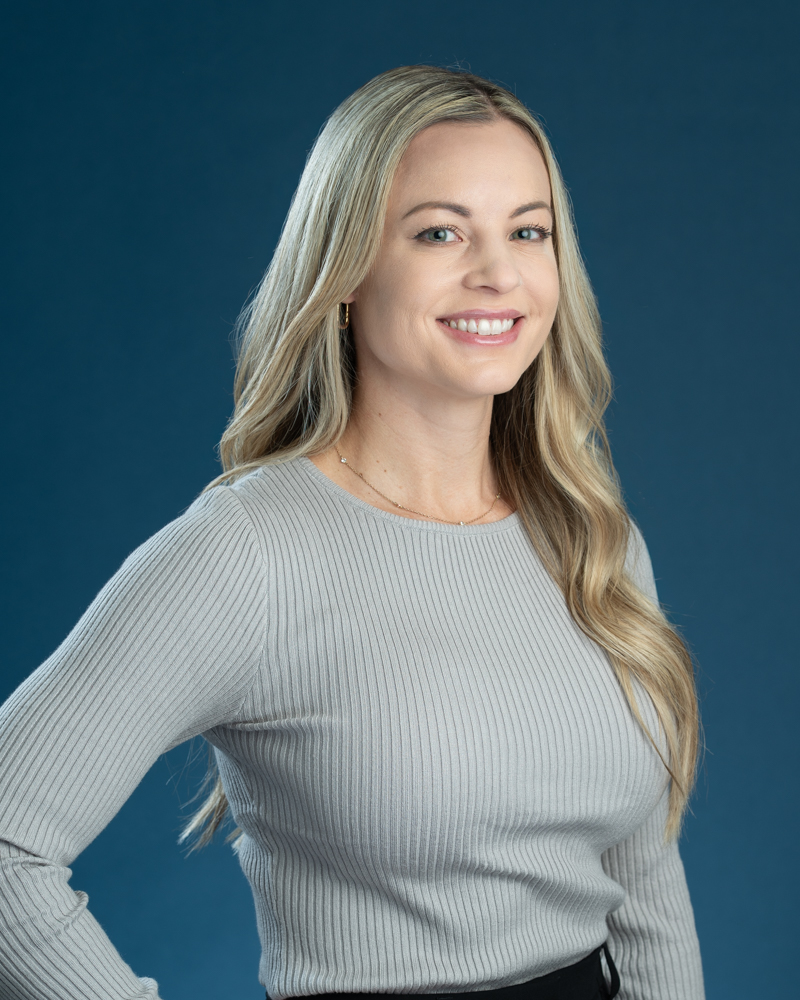
Lauren was born and raised in San Diego, California. She attended San Diego State University, graduating with a Bachelor of Arts degree in Communication in 2013. She began her professional journey in the hospitality field where she discovered her passion for helping others and building relationships. This eventually inspired her to pursue a career in healthcare, joining Sharp Healthcare in 2016 where she found great fulfillment in learning and growing within the medical field. Lauren began working with Senta Neurosurgery in 2017 supporting Dr. Sanjay Ghosh.
When not at work, Lauren enjoys spending time with her family, being an Auntie, traveling, and being outdoors.

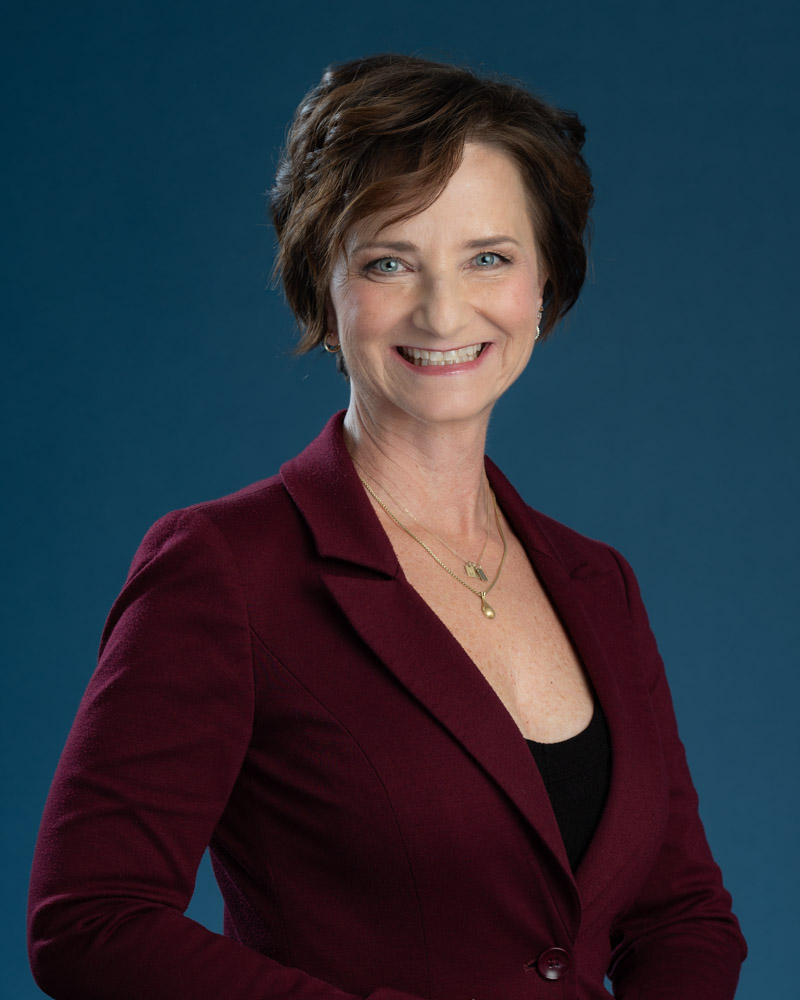
Edith was born in Budapest, Hungary and immigrated to Los Angeles, CA as a small child. She later received a Bachelor of Arts degree in Economics from the University of California, San Diego in 1996. From 1997 to 2002, she worked as a Program Manager at Qualcomm, during which time she also obtained a Certificate in Project Management from the University of San Diego. Edith took some time off to start her family but remained active in her volunteer efforts supporting Rady Children’s Hospital Auxiliary, where she co-chaired nine large fundraising events and served on the Board of Directors for 5 years. During her time at Rady Children’s, Edith became passionate about healthcare and neurosurgery in particular when her daughter became a neurosurgical patient at Radys. Edith joined Senta Neurosurgery’s team supporting Dr. Sanjay Ghosh’s practice in 2019. Given her personal experiences, Edith knows that getting a referral to neurosurgery is a stressful, life altering event, so she truly appreciates being part of the patient care process for Dr. Ghosh’s patients.
When not at work, Edith enjoys spending time with her friends and family, traveling, cooking, and entertaining.
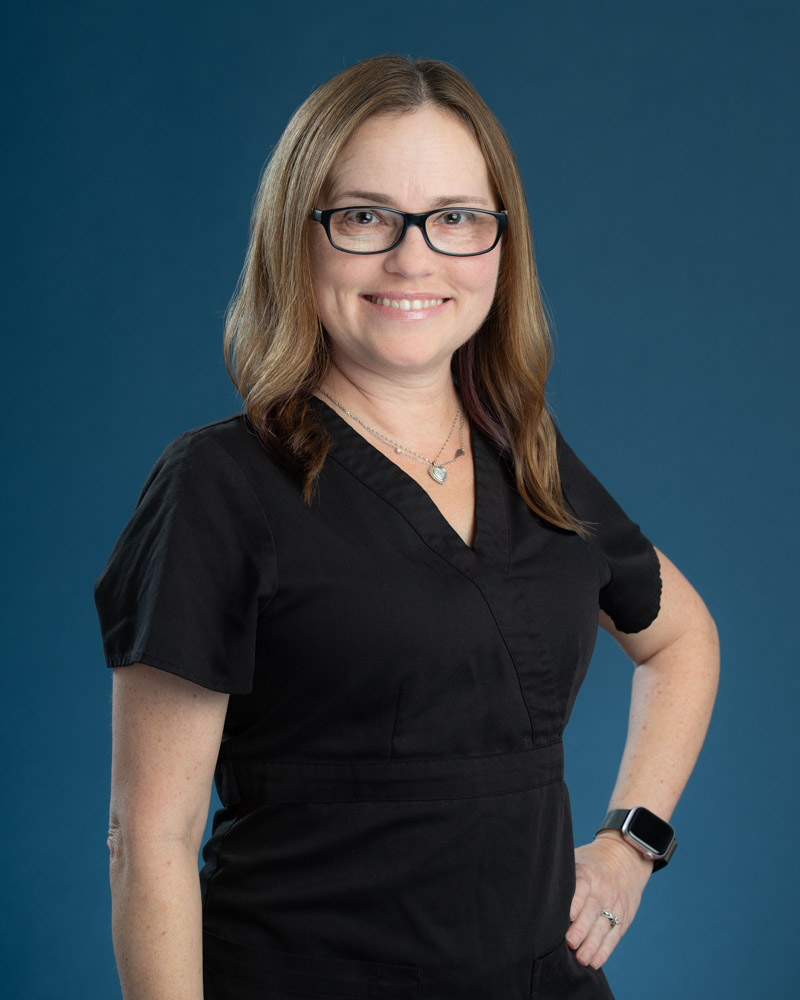
Melissa has an Associate of Science Degree in Medical Office Administration. She has worked in healthcare for over 25 years. She started out working in a radiology department processing film and scheduling exams. Melissa joined Dr. Ghosh’s team in 2003 and uses her skills and experience to schedule Dr. Ghosh’s patients for surgery. She is a fierce advocate for our patients throughout the entire prior authorization and scheduling process, and her goal is to make the scheduling of our patients’ surgeries organized and stress free so that our patients can focus on healing.
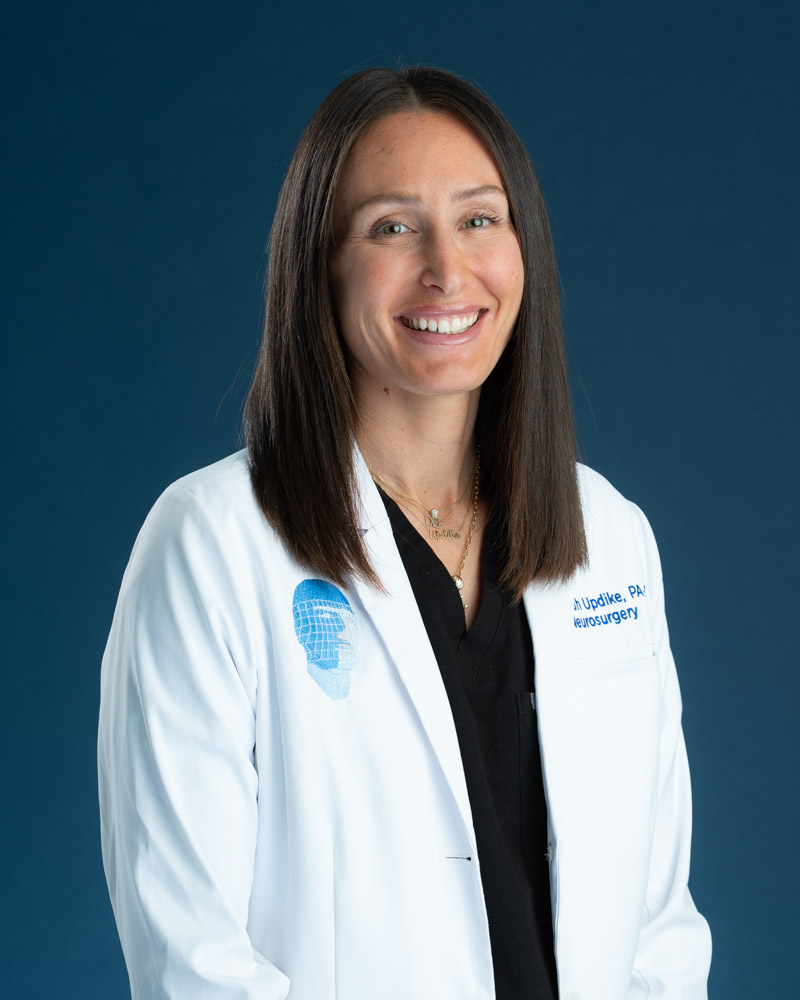
Deborah is a California native. She attended American University in Washington, DC graduating with a Bachelor of Science in Marine Science and Environmental Studies. She was a college athlete, playing NCAA D1 volleyball all four years. She then attended California State University, Long Beach where she received a Masters of Marine Science in Shark Reproductive Physiology. During her first masters degree, she began transitioning into medicine and went on to receive her Master of Medical Science degree in Physician Assistant studies at Midwestern University in Downers Grove, IL. Deborah served as class Vice President. She graduated in 2017 and has been working at Senta Neurosurgery ever since. Deborah is a member of the American Academy of Physician Assistants.
Edith was born in Budapest, Hungary and immigrated to Los Angeles, CA as a small child. She later received a Bachelor of Arts degree in Economics from the University of California, San Diego in 1996. From 1997 to 2002, she worked as a Program Manager at Qualcomm, during which time she also obtained a Certificate in Project Management from the University of San Diego. Edith took some time off to start her family but remained active in her volunteer efforts supporting Rady Children’s Hospital Auxiliary, where she co-chaired nine large fundraising events and served on the Board of Directors for 5 years. During her time at Rady Children’s, Edith became passionate about healthcare and neurosurgery in particular when her daughter became a neurosurgical patient at Radys. Edith joined Senta Neurosurgery’s team supporting Dr. Sanjay Ghosh’s practice in 2019. Given her personal experiences, Edith knows that getting a referral to neurosurgery is a stressful, life altering event, so she truly appreciates being part of the patient care process for Dr. Ghosh’s patients.
When not at work, Edith enjoys spending time with her friends and family, traveling, cooking, and entertaining.
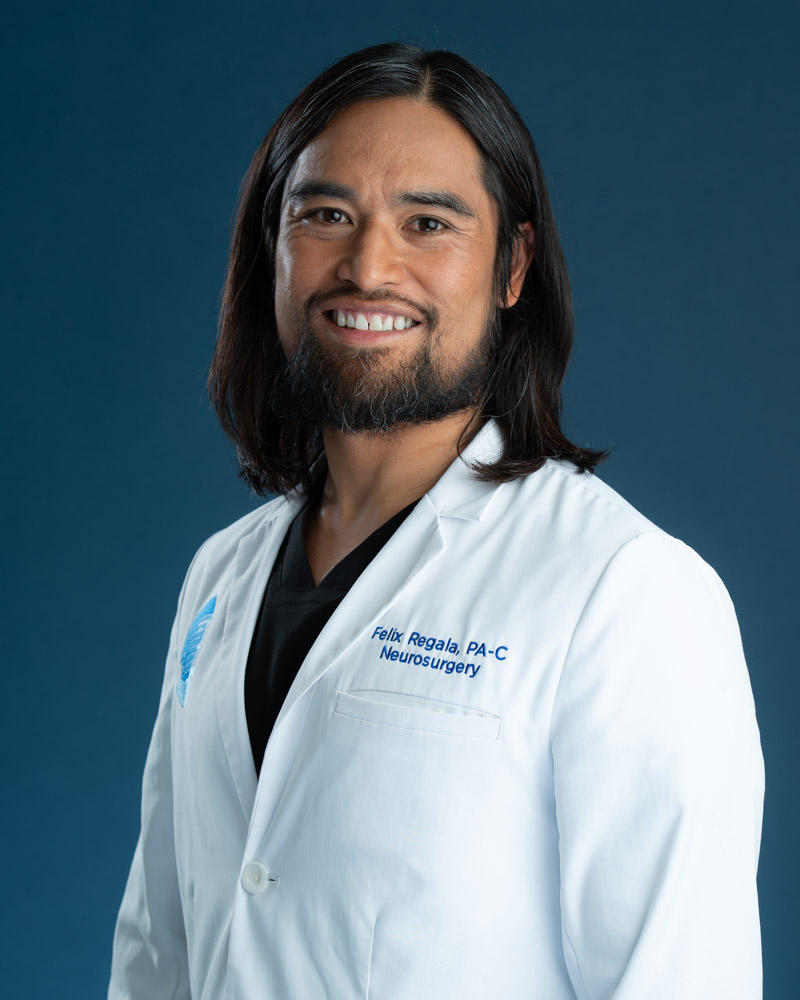
Felix was born and raised in Abilene, Texas where he graduated from Abilene High School in 2001. He was honored with the Chuck and Doris Moser Scholarship for his accomplishments as a varsity athlete in baseball and his excellence in academics and community service. He then attended Baylor University where he graduated in 2004 with a Bachelor of Science degree in biology. Felix then spent a couple of years working in the laboratory at the Salk Institute for Biological Studies and Johnson & Johnson. He then went on to the Keck School of Medicine at University of Southern California to obtain his Master of Physician Assistant Practice degree. Felix graduated from physician assistant school in 2010. While pursuing his PA degree at USC, Felix served as class president and spent time training in neurosurgery and orthopedic spine. Felix has been a PA with Dr. Ghosh since May 2011.
Felix enjoys being active, including playing basketball, surfing, snowboarding, golfing, and exercising. Felix is also a member of the American Academy of Physician Assistants and the California Academy of Physician Assistants.
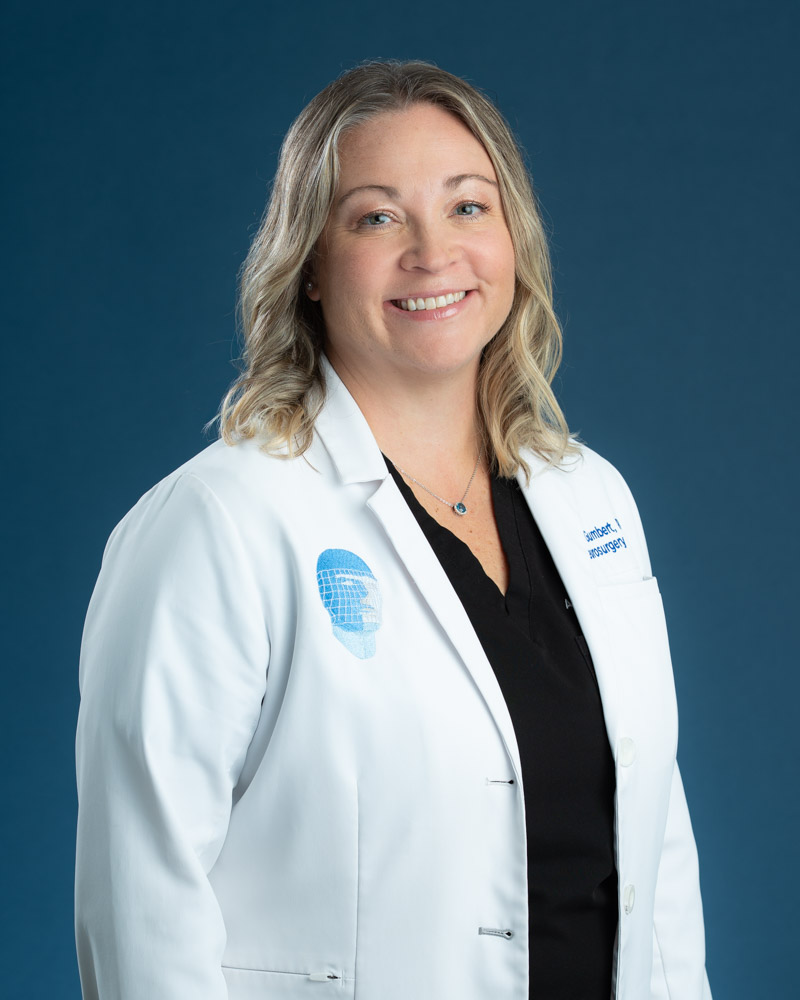
Amanda received her Bachelor of Science degree in Kinesiology at San Diego State University in 2002. She worked as an Exercise Physiologist at the Cardiac Treatment Center at Scripps Memorial Hospital La Jolla before going to PA School. Amanda graduated from Midwestern University in Glendale, Arizona with a Master of Medical Science degree in Physician Assistant studies in 2005. She began working for Dr. Ghosh in January 2006 working as the senior Physician Assistant and manager of the PAs. Amanda has spoken at the national level at the AAPA conference on various neurosurgical topics. She is highly committed to the future Physician Assistants and frequently has students shadow her and acts as a PA student preceptor. She is a member of the American Academy of Physician Assistants, Association of Neurosurgical Physician Assistants, and The San Diego Society of Physician Assistants. Amanda is honored to be a finalist for San Diego Magazine’s Woman of the Year— 2025 Healthcare Pioneer.
When not working, Amanda enjoys hiking, mountain biking, stand up paddle boarding, snowboarding, playing with her dogs and spending time with her family.