Back surgery typically promises patients much-needed relief. At first, the pain fades, nerves calm down, and life seemingly returns to normal. Then reality throws a curveball. Pain lingers, numbness creeps back, and walking feels harder instead of easier.
Many patients assume surgical failure or personal fault. Neither assumption tells the full story. Spine conditions follow complex biological rules, and the human spine sometimes requires a second surgical strategy.
Revision spine surgery offers a second chance of relief, function, and confidence.
Let’s explore why some spine procedures fail to deliver expected results and how experienced neurosurgeons correct those problems.
When Back Surgery Doesn’t Deliver the Expected Relief
Spine surgery aims to relieve nerve compression, stabilize spinal segments, or remove damaged disc material. However, medical research shows persistent or recurrent pain after lumbar surgery in roughly 10 to 40 percent of patients.
Doctors refer to this situation as Failed Back Surgery Syndrome, a term describing continued pain after spinal surgery rather than a literal surgical mistake.
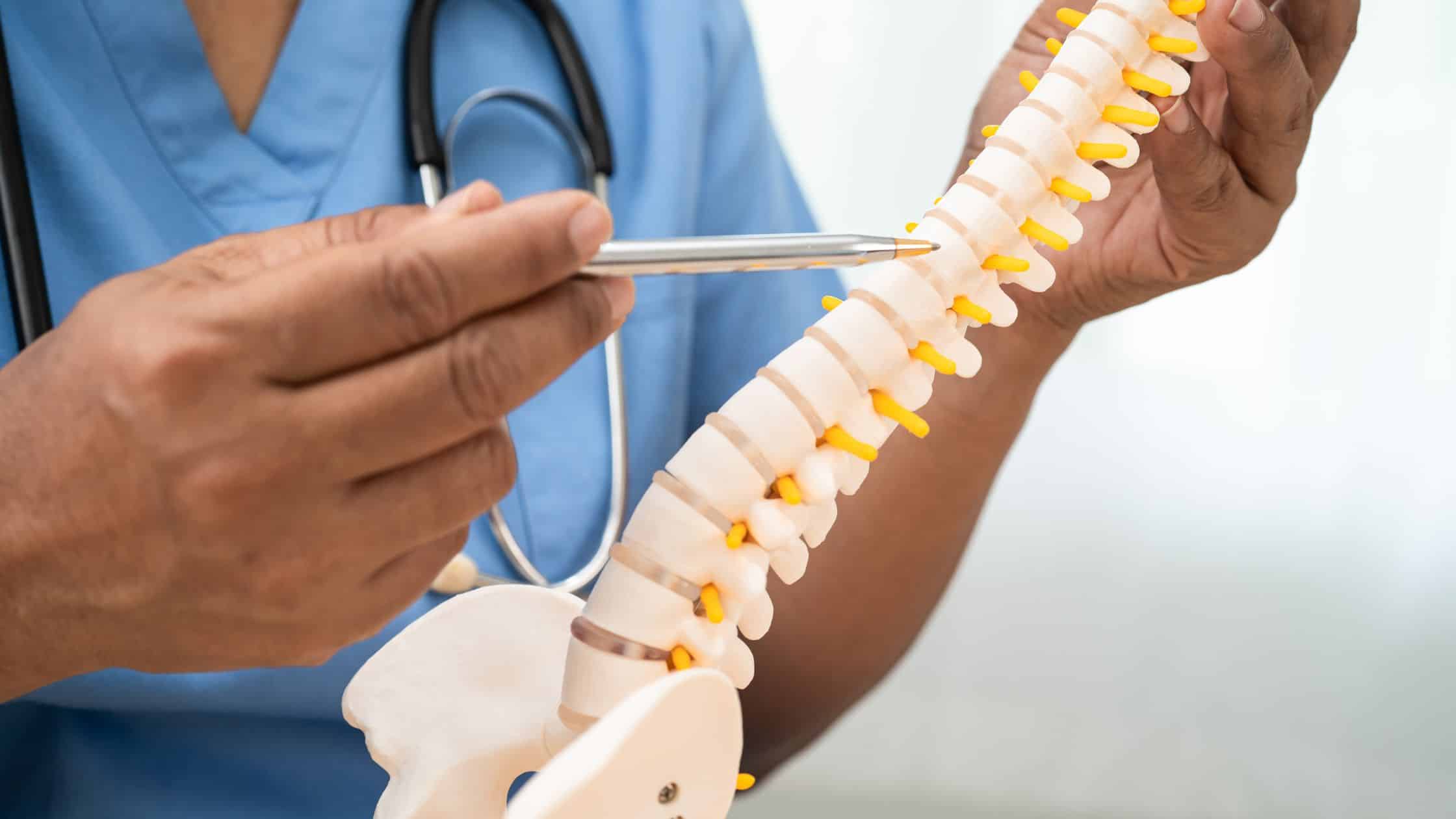
Think of spinal surgery like fixing a complex electrical system. One faulty wire rarely explains every malfunction. Spine anatomy contains discs, joints, nerves, ligaments, and muscles. Pain may arise from multiple structures at once.
Revision surgery focuses on identifying the real source of persistent symptoms.
Common Reasons Back Surgery Falls Short
A variety of factors can interfere with recovery after spinal procedures. Careful diagnostic work often reveals one or more underlying issues. Moreover, each scenario requires a precise diagnosis before considering another procedure.
Residual Nerve Compression
The spinal nerve sometimes remains partially compressed after the first procedure. Even small amounts of pressure on a nerve root may trigger persistent pain, numbness, or weakness.
Recurrent Disc Herniation
Disc material occasionally bulges again after removal during a prior surgery. Recurrence may produce familiar symptoms along the same nerve pathway.
Spinal Instability
Degenerative changes sometimes progress after surgery. Adjacent vertebrae may shift or lose structural support.
Scar Tissue Around Nerves
Healing tissue sometimes forms around spinal nerves. This scar tissue may irritate nerve roots and trigger chronic pain.
Incorrect Surgical Level
Pain sometimes originates from a different spinal level than originally suspected. Diagnostic imaging during a second evaluation frequently clarifies the true source.
Hardware or Fusion Problems
Sometimes the bones do not fully fuse together; surgeons call this nonunion. When that happens, the spine can remain unstable and continue to cause pain.
What Exactly Happens During Revision Spine Surgery?
Revision spine surgery refers to any surgical procedure designed to correct or improve the outcome of a prior spinal operation.
The process usually begins with a detailed diagnostic evaluation. A neurosurgeon typically reviews:
- MRI scans
- CT imaging
- Prior surgical reports
- Current neurological symptoms
- Physical examination findings
Advanced imaging techniques help identify structural problems that previous procedures may not have addressed. Once the source of pain becomes clear, surgeons develop a targeted treatment plan.
Modern Techniques Improve Revision Surgery Outcomes
Spine surgery has evolved dramatically during the past two decades, with modern approaches focusing on precision and minimal tissue disruption.
Many revision procedures now use minimally invasive techniques, which rely on small incisions and advanced imaging guidance. These approaches reduce muscle damage and often shorten recovery time.
Advanced tools such as navigation systems, high-definition microscopes, and endoscopic cameras allow surgeons to operate with remarkable accuracy. Each treatment plan depends on the patient’s anatomy, diagnosis, and surgical history.
Common revision procedures include:
Revision Decompression
A surgeon removes additional bone or disc material to fully relieve pressure on spinal nerves.
Revision Microdiscectomy
A second microdiscectomy removes recurrent disc fragments compressing a nerve root.
Fusion Revision
A surgeon stabilizes vertebrae using screws, rods, and bone grafts when instability contributes to pain.
Motion-Preserving Surgery
Certain patients benefit from procedures such as disc replacement rather than fusion, allowing continued spinal movement.
Signs That Suggest a Need for Revision Surgery
Persistent pain after spine surgery does not automatically require another operation. Many patients improve through rehabilitation, injections, or medication.
However, several symptoms deserve further evaluation:
- Persistent leg pain or sciatica
- Numbness or tingling that worsens
- Progressive muscle weakness
- Severe back pain after initial recovery
- Difficulty walking or standing
- Imaging results that reveal structural problems
A second opinion from a spine specialist often provides valuable insight before any additional procedure.
What Recovery Looks Like After Revision Surgery
Recovery depends on the underlying spinal condition and surgical complexity. Minimally invasive procedures frequently allow faster recovery compared with traditional open surgery because surgeons preserve surrounding muscle tissue and soft structures.
Patients often follow a structured rehabilitation plan that includes:
- Physical therapy
- Core strengthening exercises
- Gradual return to activity
- Lifestyle adjustments that support spinal health
Smoking cessation, weight management, and regular exercise also improve long-term outcomes.
Why Experience Matters in Revision Spine Surgery
Revision surgery requires a highly specialized skill set. Scar tissue, altered anatomy, and previous implants make surgical navigation more complex. An experienced neurosurgeon carefully analyzes the original diagnosis, the previous procedure, and current imaging before recommending any new surgery.
Careful planning often prevents repeating the same surgical strategy that failed before. A thoughtful evaluation can uncover alternative approaches such as minimally invasive decompression or motion-preserving procedures.
The Bottom Line: A Second Chance at Relief
Persistent back pain after surgery creates frustration, fear, and confusion. Many patients wonder whether improvement will ever happen. Revision spine surgery offers hope when careful evaluation identifies a correctable problem.
The key lies in accurate diagnosis, thoughtful surgical planning, and an experienced spine specialist who prioritizes patient education and conservative decision-making. Pain after surgery does not automatically mean the end of the road. Sometimes pain simply signals the need for a better roadmap.
Schedule a Consultation with Dr. Sanjay Ghosh
If persistent back or leg pain continues after spine surgery, a detailed evaluation can help identify the next step.
Dr. Sanjay Ghosh provides expert consultations for complex spine conditions and revision spine surgery. A comprehensive review of imaging and symptoms can determine whether additional treatment may help restore function and relieve pain.
Call (619) 810-1011 today to schedule a consultation and explore your options for advanced spine care.
Dr. Sanjay Ghosh is a board-certified neurosurgeon at SENTA Clinic in San Diego with fellowship training in complex spine and cranial base surgery. This content is educational and does not replace personalized medical advice.