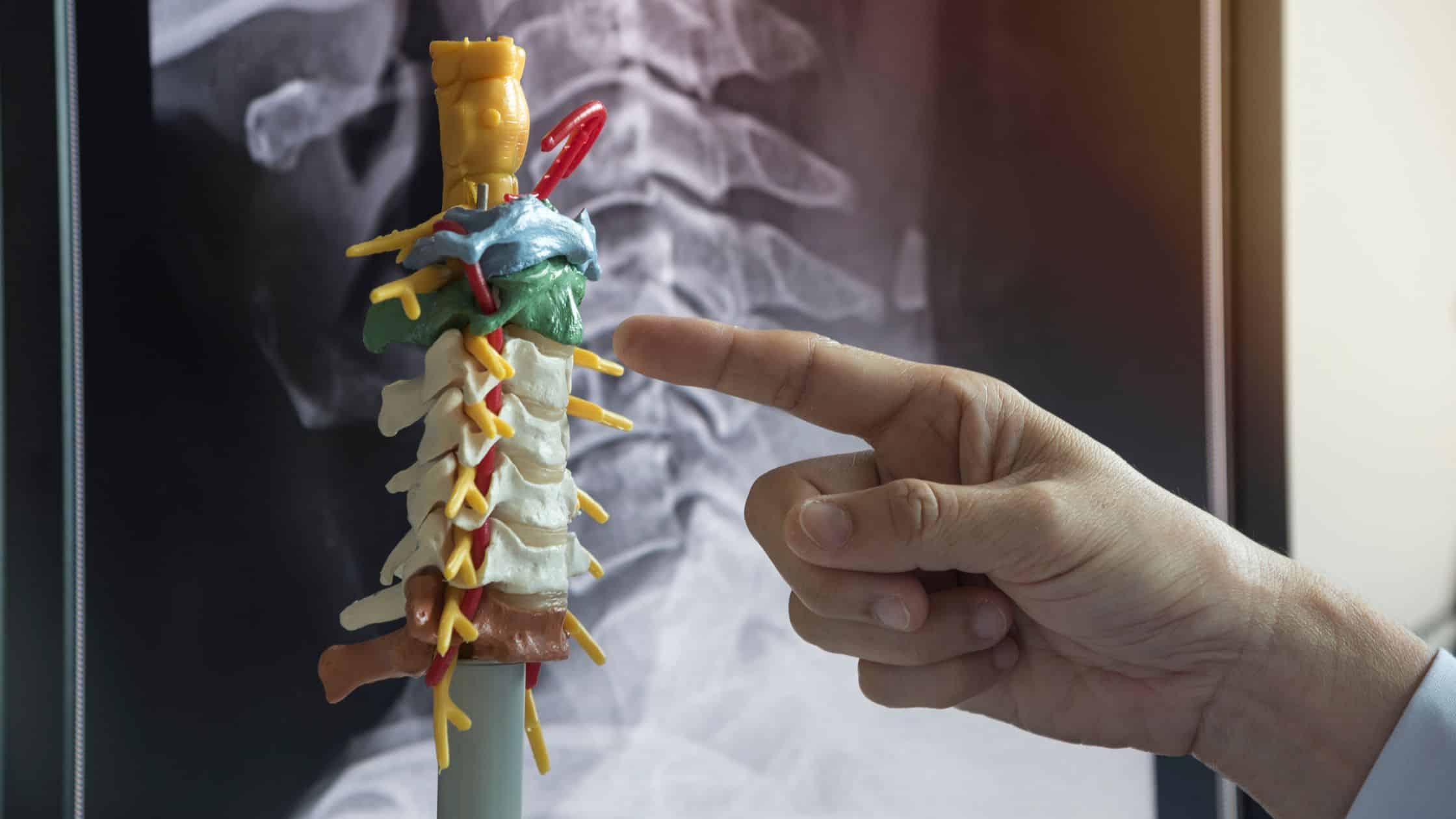
A successful cervical fusion recovery depends on expert surgical precision and a clear understanding of the healing process.
Anterior Cervical Discectomy and Fusion (ACDF) is a highly effective and reliable procedure that provides lasting relief for patients experiencing severe neck and arm pain. These issues typically stem from herniated discs, cervical spondylosis, or spinal stenosis. The primary aim of this surgery is to restore stability to the cervical spine and relieve pressure on pinched or inflamed nerve endings.
Preparing for surgery often brings questions and uncertainty. This guide provides a clear path forward and outlines a typical recovery timeline while acknowledging that every patient’s healing process is unique.
What to Expect During a Cervical Fusion Procedure
Cervical fusion provides stability by eliminating painful movement at a specific joint in the neck. The surgical team uses specialized tools to complete several critical tasks:
- Removing the herniated disc to relieve pressure on compressed nerves.
- Inserting a bone graft or synthetic spacer into the empty disc space.
- Secure the adjacent vertebrae with metal plates and screws for permanent stability.
The vertebrae and the graft grow into a stable, unified structure over several months. Surgeons refer to this as a fusion. The hardware provides immediate support while the body builds new bone.
Immediately After ACDF Surgery in the Hospital
Immediately after the procedure, you will wake up in a specialized recovery unit. The medical team will focus on several key areas:
- Monitoring your vital signs as the anesthesia wears off.
- Managing your pain levels through intravenous or oral medications.
- Check your neurological function by asking you to move your arms and legs.
Some patients undergoing this surgery may:
- Wear a soft or rigid neck collar to restrict sudden movements.
- Begin sitting up or walking within a few hours of the operation.
- Receive specific instructions on how to swallow safely while initial throat swelling subsides.
Nurses provide detailed guidance on wound care before you transition to a standard hospital room. You will typically be discharged to your home once you can manage fluid intake and walk independently.
Typical ACDF Recovery Timeline
Clinical data describes a consistent pattern of healing after ACDF surgery. The most focused part of recovery happens in the first few weeks, followed by steady progress over several months. The bone continues to strengthen and mature for up to a year.
Recovery Guideline Table (Estimates Only)
| Phase | Typical Timeframe | What to Expect |
| Immediate Post-Op | Days 0 to 3 | Pain management, throat soreness, and implementing movement protocols. |
| Early Recovery | Weeks 1 to 3 | Walking several times daily, eating soft foods, and performing basic self-care. |
| Functional Recovery | Weeks 4 to 6 | Resuming light office work as pain levels decrease and energy returns. |
| Rehabilitation Phase | Weeks 6 to 12 | Starting physical therapy to improve strength, posture, and stamina. |
| Long-term Consolidation | Months 3 to 6 | Advancing activity levels and returning to low-impact exercise. |
| Fusion Maturation | Months 6 to 12 | The bone reaches full maturation and allows a return to most regular activities. |
Guideline Note: This table is a general guide. Factors like bone density and the number of fused levels will influence your personal recovery pace.
Activity Guidelines and Restrictions After Cervical Fusion
During the initial weeks of healing, your movements should be slow and intentional. Protecting the surgical site is essential for allowing the bone to begin the fusion process.
Precautions to Follow During the First 6 Weeks
Surgeons typically provide the following instructions:
- Avoid lifting any objects heavier than five or ten pounds.
- Refrain from driving until you are no longer taking narcotic pain medications.
- Limit repetitive neck movements such as looking up or down frequently.
- Postpone strenuous activities like running or lifting weights until cleared.
During this time, you can:
- Walk for short distances to improve circulation and lung health.
- Perform a gentle range of motion exercises for your arms and legs.
- Resume light household tasks that do not require bending or reaching.
- Return to sedentary jobs around the 4-week mark if pain is well-controlled.
Expanding Your Activity from Weeks 6 to 12
As your body continues to heal, you’ll find:
- Transition to low impact cardiovascular exercises like using a stationary bike.
- Begin physical therapy sessions to strengthen the muscles supporting the spine.
- Gradually increase the duration of your daily walks and standing activities.
ACDF Recovery in San Diego
Patients in San Diego who undergo the cervical fusion procedure typically:
- Resume light activities within 2 to 6 weeks including office work.
- Achieve initial bone bridging as confirmed by imaging at the 3-month mark.
- Resume full physical activities by 6 months once cleared.
- Experience significant relief from arm pain and numbness during the first year.
- Reach a solid bony fusion across the surgical site by 12 months.
Every patient is different. Those with multi-level fusions or other health conditions may require additional time to reach these milestones.
Normal vs. Abnormal ACDF Recovery Symptoms
Typical Experiences After Cervical Surgery
- Mild throat soreness or a feeling of a lump when swallowing food.
- Temporary hoarseness or changes in the quality of your voice.
- Muscle stiffness in the shoulders and upper back as your posture adjusts.
- Moderate incision site discomfort that responds well to prescribed pain relief.
These symptoms generally fade as you walk more and progress through your exercises.
Warning Signs That Require a Call to Your Surgeon
Contact your medical team immediately if you observe:
- Redness, warmth, or unusual drainage leaking from the incision site.
- Sudden difficulty breathing or a feeling of significant throat tightness.
- New or worsening weakness and numbness in your arms or legs.
- A fever over 101 degrees Fahrenheit or persistent chills and nausea.
These issues can indicate a secondary problem such as an infection and require a prompt professional evaluation.
Strategies for a Successful Cervical Fusion
Your daily habits during recovery positively influence your outcome:
- Prioritize Nutrition: Focus on high-protein foods and calcium to provide the essential building blocks for new bone growth.
- Reduce Nicotine Use: Minimize use on all nicotine products because they significantly decrease fusion rates and increase the risk of hardware failure.
- Prioritize Walking: Engage in frequent short walks to prevent blood clots and keep your joints mobile.
- Practice Proper Ergonomics: Use a supportive chair and keep devices at eye level to avoid straining the healing vertebrae.
- Commit to Physical Therapy: Work closely with your therapist to rebuild core and neck strength safely after the initial healing phase.
Long-Term Outlook After Cervical Fusion Surgery
Clinicians measure ACDF success through its ability to provide lasting pain relief and maintain spinal stability. Most patients notice a significant improvement in their quality of life for decades.
Lasting Benefits of ACDF:
- Permanent Stability: A successfully fused segment creates a solid bridge of bone that remains stable for a lifetime.
- Sustained Pain Relief: High satisfaction rates persist ten years post-surgery, particularly for patients who initially sought relief from radiating arm pain.
- Preserved Life Expectancy: This procedure does not shorten your lifespan and often increases general health by allowing for a more active lifestyle.
Considerations for Future Spine Health:
- Adjacent Segment Disease: The discs above and below the fusion may experience increased wear due to taking on extra motion over time.
- Lifestyle Influence: Long-term success is heavily dependent on maintaining a healthy weight and avoiding nicotine to protect the remaining spinal levels.
- Routine Monitoring: Occasional imaging during annual checkups ensures the hardware and surrounding vertebrae remain in optimal condition.
When to Consider Help from Experts in San Diego
San Diego residents have access to world-class spinal care and fellowship-trained specialists. Early professional consultation can prevent permanent nerve damage.
Request a consultation if you experience:
- Persistent pain or weakness failing to improve several months after your initial surgery.
- New symptoms appearing that your current medical team cannot clearly explain.
- Personal concerns regarding hardware position or bone fusion progress.
Next Steps in Your Cervical Fusion Recovery
ACDF and cervical fusion surgery restore spinal alignment and relieve nerve pressure when damage has progressed beyond what physical therapy or injections can address. Recovery is measured in months, not weeks, but the payoff is often freedom from symptoms that previously dictated your daily life.
Dr. Sanjay Ghosh is a board-certified neurosurgeon at SENTA Clinic in San Diego, fellowship-trained in spine and cranial-base surgery. This information is intended for educational purposes and is not a substitute for professional medical advice.
You deserve a surgeon who explains not just what will happen, but why, and who tracks your progress with the same rigor applied in the operating room. Dr. Ghosh builds recovery plans around your lifestyle rather than generic protocols.
To learn more about your recovery or discuss the next steps, call (619) 810-1010 or request a consultation through our practice website.
Dr. Sanjay Ghosh is a board-certified neurosurgeon at SENTA Clinic in San Diego, fellowship trained in complex spine and cranial base surgery. This content is educational and not a substitute for personalized medical advice.