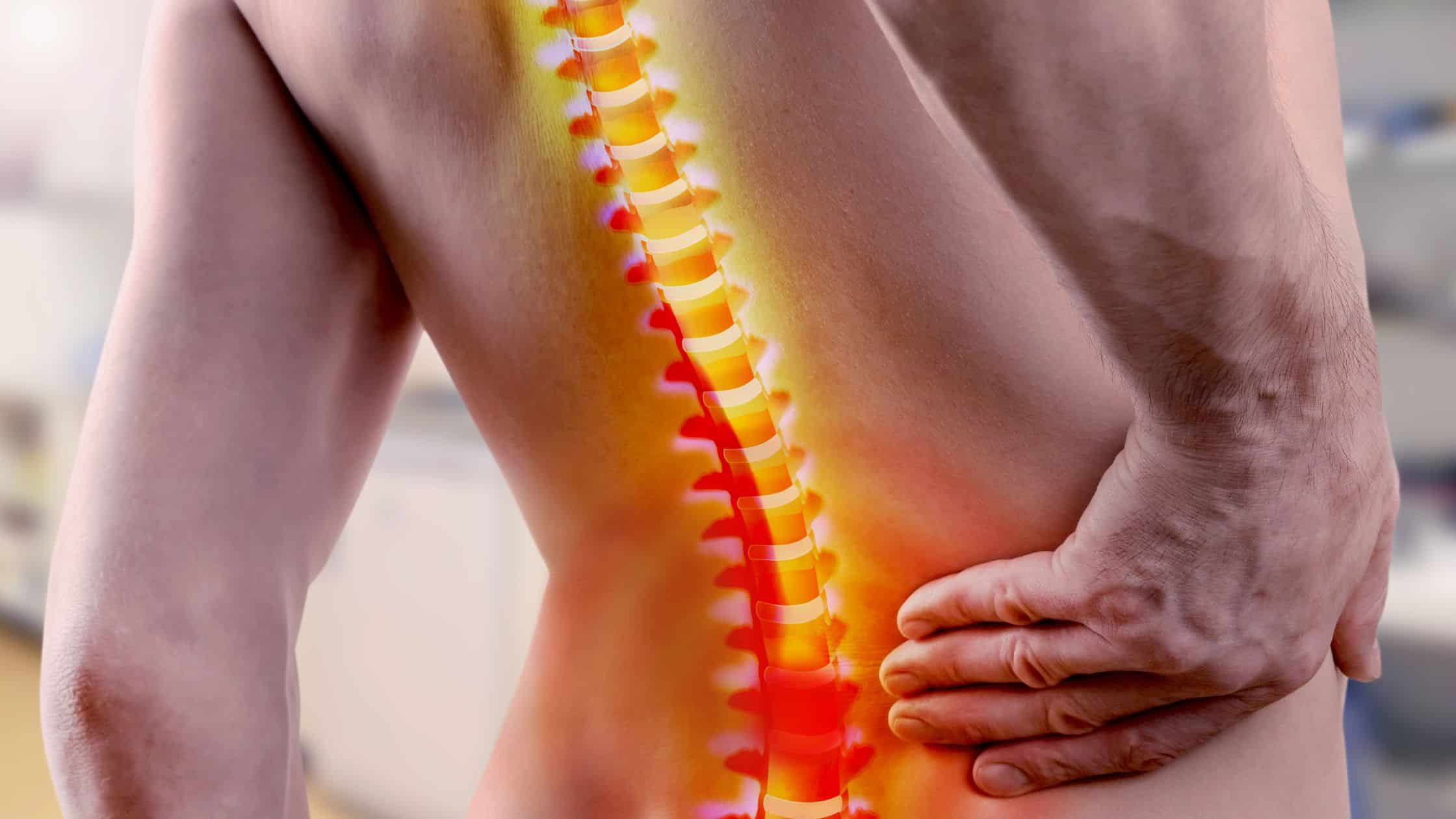
Neck and back pain can take over your life if left untreated. What starts as stiffness or discomfort can turn into pain that follows you everywhere; sitting hurts, standing is unbearable, and even simple movements like turning your head or walking across the room become a nightmare.
To combat this feeling, patients often seek various forms of healing: either physical therapy (massages, doctor visits, biokineticists, chiropractors), self-care (yoga) or injections. Some of these treatments lead to negative side effects. But what happens when the pain comes back?
Sometimes, a bigger problem could be at play.
When symptoms persist for months or begin interfering with daily life, the issue may involve instability in the spine rather than a simple strain.
Here are five signs your neck or back pain may require spinal fusion and what you can do about it.
1. Your Spine Feels Unstable or Painful When You Move
A healthy spine allows smooth movement while keeping the vertebrae properly aligned. Discs, joints, and ligaments work together to support that balance.
When those structures weaken or deteriorate, the vertebrae may begin shifting more than they should, meaning even the smallest of movements can place immense stress on joints and nerves.
Several conditions can make your spine unstable, including:
- A slipped vertebra (spondylolisthesis)
- Advanced disc degeneration
- Spinal fractures
- Spinal curvature such as scoliosis
If you feel pain when standing, bending, or twisting, the vertebrae may be moving more than they should, and that’s not something to be ignored.
2. Pain Continues After Months of Conservative Treatment
Most spine specialists begin with non-surgical treatment. Physical therapy, medication, and targeted injections help with issues such as inflammation and also strengthen the muscles supporting your spine.
Some common treatments include:
- Physical therapy focused on spinal strength and stability
- Anti-inflammatory medication
- Epidural steroid injections
- Activity and posture adjustments
- Weight management when appropriate
Some patients improve with these treatment methods, while others still experience chronic pain despite months of treatment. If you happen to be one of those few, a trip to a neurosurgeon may be in your best interest.
3. Pain Travels to Your Arms or Legs
Spinal problems do not always stay in the neck or back.
When discs or vertebrae compress nearby nerves, symptoms can travel along the nerve pathways. Disc degeneration, bone spurs, or shifting vertebrae can narrow the spaces where spinal nerves exit the spine. When that space tightens, the nerve becomes irritated and symptoms begin spreading beyond the neck or back.
In cases such as this, patients often notice pain that spreads into the arms or legs, including:
- Radiating arm or leg pain
- Numbness or tingling in the hands or feet
- Muscle weakness
- Difficulty walking or maintaining balance
- Reduced coordination during movement
Doctors can relieve that pressure with a procedure that frees the affected nerve. If the spine also shows instability, spinal fusion may be recommended to stabilize the area and reduce the chance of the nerve becoming irritated again.
4. Your Spine Has Changed Enough That Movement Hurts
Many patients hear the same thing during an exam: parts of the spine have worn down.
Discs lose height, joints become inflamed, and bones may shift slightly. At first the body adapts but over time the spine takes strain and begins to struggle.
You may notice simple movements becoming painful. Bending, standing, or walking may trigger discomfort that keeps returning.
Imaging may show problems such as:
- Severe disc degeneration
- Bone spur growth
- Narrowing around spinal nerves
- Vertebrae that have moved out of alignment
When the spine reaches this point, stabilizing the damaged area can bring relief.
Spinal fusion locks the affected vertebrae together, so they stop moving in a way that irritates nerves and causes pain.
5. You Fix the Problem Once, But the Pain Returns
Some people go through treatment, start feeling better, and believe the problem has finally been resolved. Then, over time, the pain begins to return. A disc problem can reappear, nerve pressure can build again, or degeneration may continue affecting the same area of the spine.
When this happens, the spine may still lack the stability it needs to support normal movement. Spinal fusion helps by stabilizing the affected vertebrae, so they no longer shift in ways that irritate nerves or trigger repeated pain.
When Spinal Fusion Is an Option, Experience Matters
Choosing the right spine surgeon matters just as much as selecting the right treatment.
Dr. Sanjay Ghosh brings more than 20 years of neurosurgical experience treating complex spine disorders. Throughout his career he has performed over 4,000 neurosurgical procedures, including hundreds of minimally invasive lumbar fusion surgeries designed to stabilize the spine while minimizing disruption to surrounding tissue.
As Director of Neurosurgery at SENTA Clinic in San Diego, Dr. Ghosh treats patients with a wide range of spinal conditions, from degenerative spine disease and disc disorders to spinal trauma and nerve compression.
If persistent neck pain, back pain, or nerve symptoms continue to disrupt your life, speaking with a spine specialist can help you understand your options.
Call Dr. Sanjay Ghosh at (619) 810-1010 to schedule a consultation today.
Dr. Sanjay Ghosh is a board-certified neurosurgeon at SENTA Clinic in San Diego with fellowship training in complex spine and cranial base surgery. This content is educational and does not replace personalized medical advice.