Hearing that you may need skull-base surgery can feel overwhelming. The name alone can raise concerns about complexity and risk.
Understanding what skull-base surgery involves, why it is recommended, and how it is performed helps make the process feel more manageable. With the right information, patients can approach treatment with greater clarity and confidence.
What Skull-Base Surgery Treats & Why It Requires a Specialized Approach
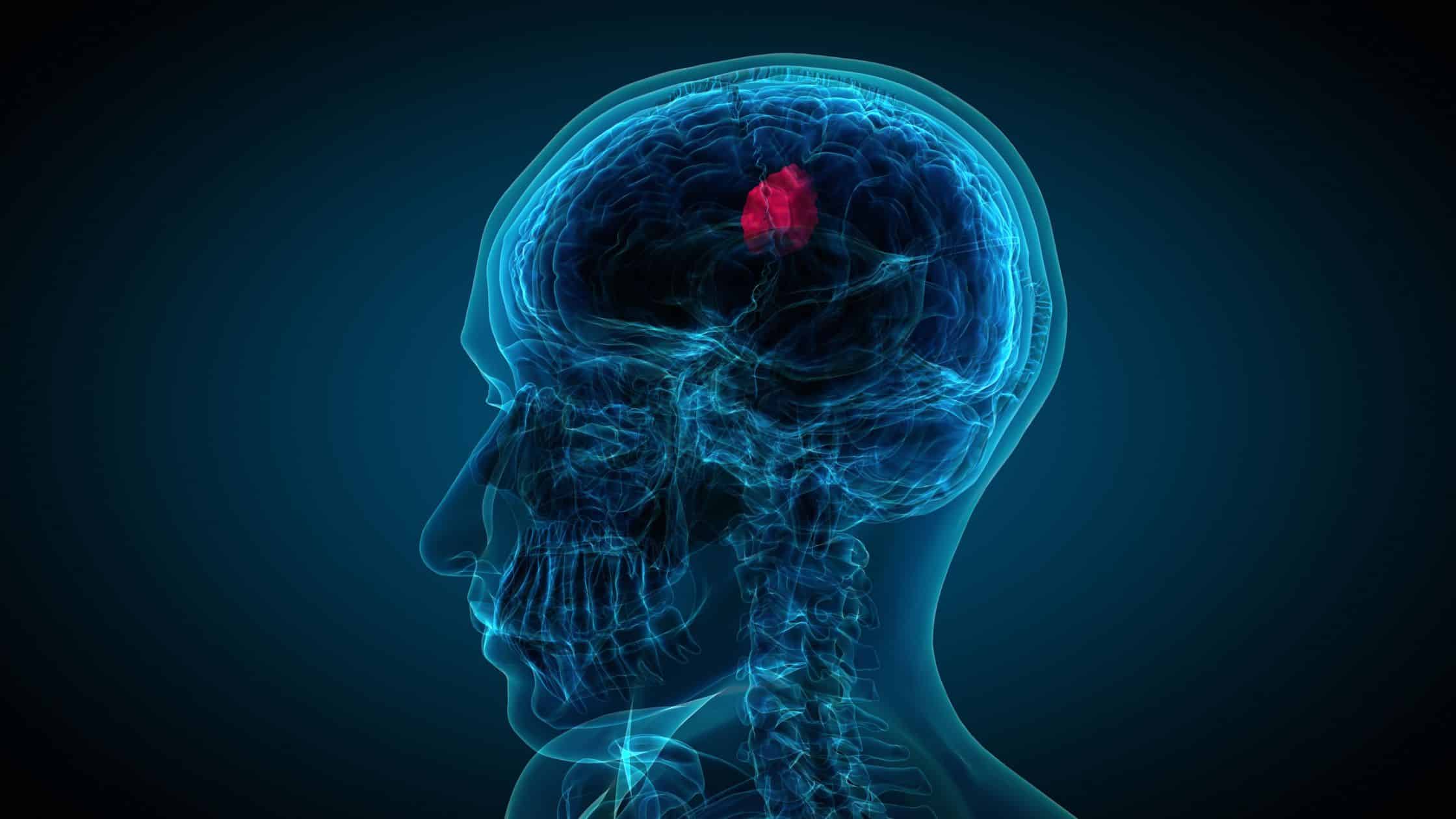
Skull-base surgery focuses on conditions affecting the area at the bottom of the skull. This is a vital area where the brain, nerves, and major blood vessels join together. It supports critical functions like movement, sensation, vision, and hearing.
Conditions treated in this area include tumors, vascular abnormalities, and structural issues that place pressure on surrounding nerves or tissue. Because of the location, these conditions require detailed evaluation and a highly precise surgical approach.
When Skull-Base Surgery Becomes Part of the Treatment Plan
Skull-base surgery is considered when a condition affects neurological function, causes persistent symptoms, or shows progression on imaging.
Patients may experience:
- Ongoing headaches that do not respond to treatment
- Changes in vision or hearing
- Facial numbness or weakness
- Difficulty with balance or coordination
- Persistent sinus or nasal concerns in certain cases
MRI or CT imaging helps identify the exact location and nature of the condition. When symptoms align with imaging findings, the care team can determine whether surgery is appropriate.
How Safely Surgeons Access the Skull Base
Advances in surgical techniques allow surgeons to reach the skull base with greater precision and less disruption to surrounding structures.
Many procedures use minimally invasive approaches, including endoscopic techniques that provide access through natural pathways such as the nasal passages. These methods reduce the need for larger incisions and support a more controlled surgical process.
In other cases, a traditional approach may be required depending on the location and complexity of the condition. The surgical plan is always tailored to the individual, with a focus on safety, visibility, and long-term outcomes.
What to Expect During Skull-Base Surgery
Skull-base surgery requires careful planning and coordination. Surgeons use advanced imaging, specialized instruments, and magnification to navigate delicate structures with precision.
The procedure focuses on addressing the underlying condition while protecting nearby nerves and blood vessels. This level of control helps preserve function and supports a safer outcome.
Each procedure differs based on the condition being treated. Nonetheless, all follow the same principle of targeted, controlled intervention.
Understanding the Risks & How They Are Managed
All surgical procedures carry some level of risk, and skull-base surgery requires particular attention due to the complexity of the area involved.
Potential risks may include:
- Infection
- Bleeding
- Changes in neurological function
- Cerebrospinal fluid (CSF) leak
- Temporary or, in rare cases, lasting nerve-related symptoms
A detailed preoperative plan and an experienced surgical team play an important role in managing these risks. Patients receive clear guidance before surgery, so they understand what to expect and how to prepare.
What Recovery Looks Like After Skull-Based Surgery
Recovery varies depending on the procedure and the condition treated. Many patients spend a short period in the hospital, allowing the care team to monitor healing and manage any immediate concerns.
Early recovery focuses on rest, symptom management, and a gradual return to light activity. Follow-up appointments allow the surgeon to assess progress and adjust care as needed.
Over time, patients return to normal routines at a pace that reflects how their body is healing. Ongoing guidance helps keep recovery steady and avoids unnecessary strain.
Why Experience and a Second Opinion Matter in Skull-Base Surgery
Skull-base surgery requires a high level of expertise due to the structures involved. Experience with both traditional and minimally invasive techniques allows the surgeon to select the most appropriate approach for each case.
Many patients also seek a second opinion before moving forward with surgery, especially when the diagnosis or treatment plan feels complex. A second opinion provides clarity, confirms the recommended approach, and helps patients feel more confident in their decision.
Dr. Sanjay Ghosh regularly provides second opinions for patients who want a clear, experience-based assessment of their condition and treatment options.
Moving Forward with a Clearer Understanding of Your Options
Facing skull-base surgery can feel uncertain, especially when the condition involves critical areas of the body. Clear communication, careful planning, and experienced surgical care help make the process more manageable.
Understanding the procedure, the goals of treatment, and the recovery process allows patients to move forward with a clearer sense of what to expect.
Speak with Dr. Sanjay Ghosh About Skull-Based Surgery
Dr. Sanjay Ghosh is a board-certified neurosurgeon based in San Diego, with advanced training in complex spine and cranial procedures. He also specializes in providing second opinions for patients seeking clarity before making treatment decisions.
If you have been advised to consider skull-base surgery or are experiencing symptoms that require evaluation, a consultation can provide a clear understanding of your diagnosis and the most appropriate next steps.
Call (619) 810-1011 to schedule a consultation and speak with our team about your symptoms, your concerns, and the next steps that feel right for you.
Dr. Sanjay Ghosh is a board-certified neurosurgeon at SENTA Clinic in San Diego; fellowship trained in complex spine and cranial base surgery. This content is educational and not a substitute for personalized medical advice.