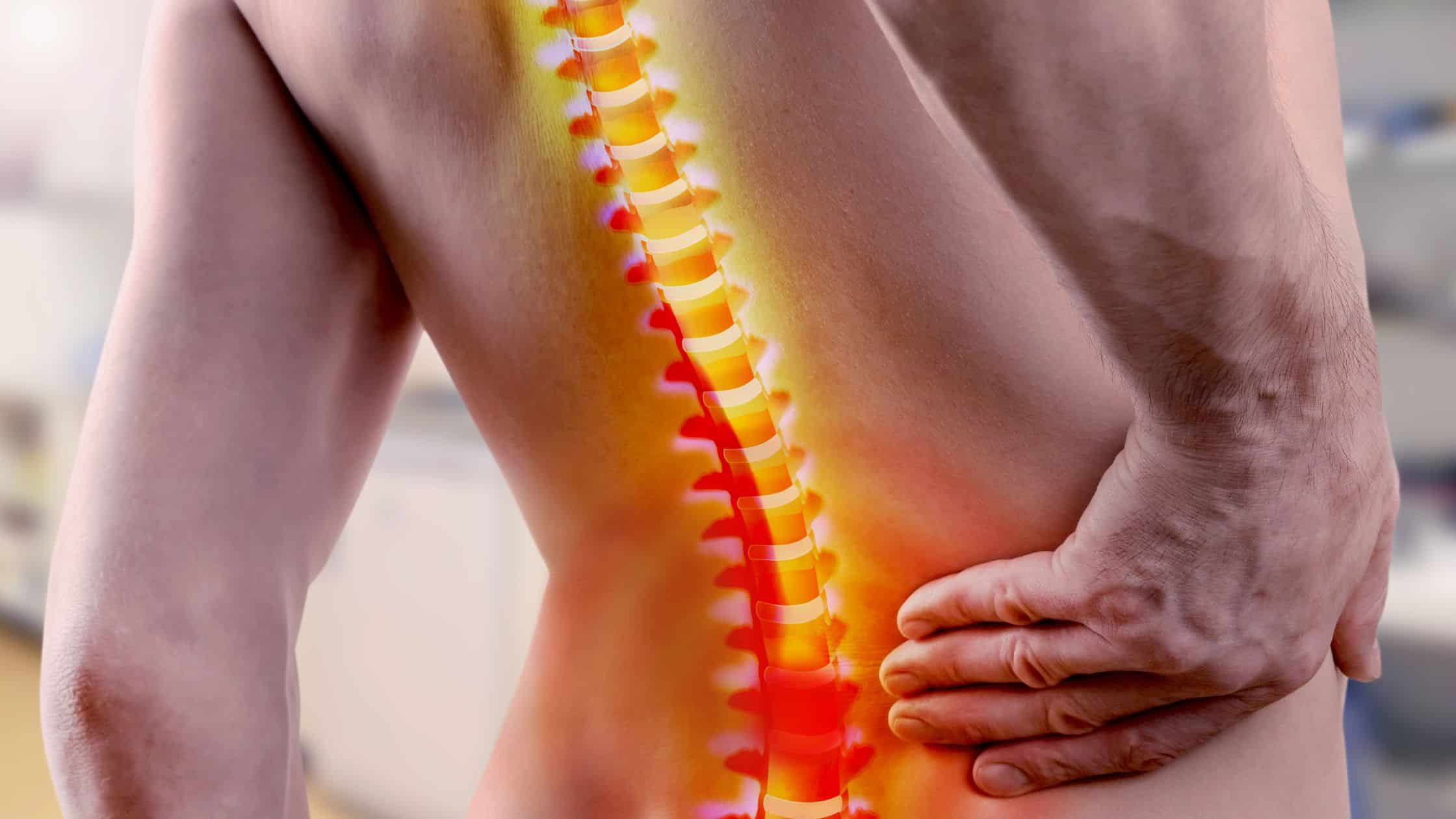
Lumbar fusion is a major surgery that joins two or more vertebrae in the lower back so they heal into one solid bone. The goal is to reduce painful motion, relieve nerve pressure, and stabilize the spine.
For many patients, the biggest question is not just how the surgery works, but when it will be safe to get back to work and everyday life. The honest answer is that there is no single “right” date. Timelines depend on your job, the details of your fusion, and how your body heals.
This guide explains typical return to work ranges after lumbar fusion, what affects those timelines, and how to plan a safe transition back, whether you work at a desk or in a physically demanding role.
Quick Answer
Most patients return to desk, or light office work, around 4 to 8 weeks after lumbar fusion, while those with physically demanding jobs often need 3 to 6 months or more before full duty.
These are general ranges only, based on patient education resources and surgeon experience. Your actual timing will depend on:
- How many levels were fused, and how the surgery was done
- How quickly your pain improves and your strength returns
- Whether your job allows modified duties or remote work
- Your spine surgeon’s specific recommendations
You should not return to work until your surgeon clears you and you can sit, stand, and move safely for the type of work you do.
Why Lumbar Fusion Recovery Takes Time
Lumbar fusion changes how your spine moves and how forces travel through your back. During surgery:
- The painful disc and any bone pinching the nerves are removed
- Bone graft and implants (screws, cages, rods) are placed
- Over months, the graft encourages your vertebrae to grow together into a solid unit
Early recovery focuses on:
- Incision and soft tissue healing
- Pain control and safe mobility
- Protecting the hardware and early fusion
Later recovery focuses on:
- Bone fusion maturing
- Rebuilding core and leg strength
- Increasing endurance and safely adding bending, lifting, and twisting
Full biological fusion and return to all activities can take several months to a year, even though many people return to some form of work well before that.
Recovery Phases Before Returning to Work
Every patient heals at a different pace, but many educational sources describe similar recovery phases for lumbar fusion.
Recovery Guideline Table (Approximate Only)
| Phase | Timeframe (Typical Range) | Functional Focus |
| Early recovery | First 2 to 4 weeks | Pain control, short walks, basic self-care, wound healing |
| Transitional phase | Weeks 4 to 8 | Longer walks, light chores, improved sitting tolerance, gentle rehab |
| Work re-entry window | Weeks 6 to 12 | Desk or light-duty work for some patients, usually with modifications |
| Long-term strengthening | 3 to 6 months and beyond | Heavier tasks, more vigorous exercise, and possible return to heavy jobs |
Guideline note: This table is a general guideline only. Your actual timeline may be shorter or longer depending on the number of levels fused, your overall health, job demands, and your surgeon’s instructions.
Returning to an Office or Remote Job After Lumbar Fusion
If you have a sedentary or mostly desk-based job, you may be able to return sooner than someone who does heavy physical work.
Several spine recovery guides and FAQ resources note that desk-based work is often possible in about 4 to 6 weeks, with many patients returning by 6 to 12 weeks, especially if they can change positions and limit lifting.
In practical terms, a return to office or remote work usually looks like:
- Starting with shorter days or alternating work and rest days
- Using an ergonomic setup
- Supportive chair with lumbar support
- Monitor at eye level
- Keyboard and mouse positioned to avoid strain
- Taking brief walking or standing breaks every 30 to 60 minutes
- Avoiding lifting heavy boxes, bending to low file cabinets, or long commutes at first
If you live or work in San Diego, some patients coordinate a trial return to work after lumbar fusion surgery in San Diego with partial remote days and gradual on-site time, so they can test their sitting tolerance and adjust their plan.
Returning to Physically Demanding Work
Physically demanding work puts much more stress on a healing fusion. Jobs that include frequent lifting, bending, twisting, climbing, or moving patients or equipment usually require more time off and a more cautious return.
Examples include:
- Construction, warehouse, and factory work
- Nursing and direct patient care
- Landscaping, delivery work, or jobs with heavy tools
Patient education sources commonly estimate that physically demanding jobs may require about 3 to 6 months of recovery before full duty, and sometimes longer if multiple levels were fused.
A typical progression might include:
- Complete time off during the early healing period
- Transition to light-duty tasks if your employer can provide them
- Gradual increase in lifting limits, walking time, and hours per day as fusion progresses
- Possible long-term restrictions on heavy repetitive lifting or extreme bending and twisting
In some cases, if heavy work cannot be modified safely, you and your surgeon may need to discuss a permanent change in duties or role.
Factors That Influence How Soon You Can Go Back
Several groups of factors affect return to work timing after lumbar fusion:
Surgical factors
- Number of levels fused
- Single-level fusions often recover faster than multi-level constructs
- Surgical technique
- Minimally invasive approaches may reduce muscle trauma, which can help with early mobility, although bone still needs time to fuse
Patient factors
- Age and overall fitness
- Bone quality and smoking status
- Chronic conditions such as diabetes or obesity
- How active and conditioned you were before surgery
Job and workplace factors
- Ability to work from home or modify tasks
- Flexibility with hours and scheduled breaks
- Options for temporary light duty
Rehabilitation factors
- Participation in physical therapy when prescribed
- Consistent home exercise program
- Respecting “no bending, lifting, twisting” rules early in recovery
These do not guarantee a specific outcome, but they help explain why two people with the same surgery can have different timelines.
Planning Time Off and Talking With Your Employer
Planning early can reduce stress later.
Before lumbar fusion surgery, it is wise to:
- Ask your spine surgeon for a likely range for time off and let them know what kind of work you do
- Discuss medical leave, disability, and phased return options with your employer or HR department
- Clarify whether your job can be modified to:
- Allow shorter days initially
- Allow remote work or hybrid days
- Provide light-duty tasks that fit your restrictions
Your surgeon can provide a note with specific limits, such as:
- No lifting more than a certain weight
- No repetitive bending or twisting
- Need for position changes or rest breaks
It is usually better to plan for slightly more time off and return earlier if things go very well, rather than promise a fixed early date that you may not be able to meet.
How To Tell If You Might Be Ready
Your spine surgeon will make the final decision, but these are common signs that you may be ready to start some level of work:
- Pain is controlled with non-sedating medication or none at all
- You can sit, stand, and walk for time periods similar to parts of your workday
- You can get in and out of bed, chairs, and a car safely on your own
- You understand and can follow any lifting or movement restrictions
On the other hand, you are probably not ready to return if:
- Your pain spikes sharply after short periods of activity
- You still rely on strong opioid pain medications during the day
- You have new or worsening numbness, tingling, or weakness
- You feel unsteady on your feet or have near falls
If you are recovering from lumbar fusion surgery in San Diego, it helps to schedule a follow-up visit specifically to discuss work readiness, job details, and what a safe return plan might look like.
Red Flags: When Work Should Wait
Some warning signs mean you should contact your surgeon or seek urgent care instead of pushing yourself back to work:
- Fever, chills, or feeling acutely unwell
- Redness, warmth, or drainage from the incision site
- Sudden increase in back pain, especially after a twist or lift
- New or rapidly worsening leg pain, numbness, or weakness
- Loss of bladder or bowel control, or new numbness in the groin or saddle area
These could signal infection, hardware problems, or nerve compression and should be evaluated promptly rather than ignored.
Practical Tips for a Smoother Return
Whether your job is light or heavy, a few strategies can ease the transition:
- Consider a phased return, such as half days or alternating days at first
- Set up your workspace with:
- Supportive chair and proper desk height
- Computer screen at eye level
- Footrest if needed
- Use timed reminders to stand and walk briefly every 30 to 60 minutes
- Keep doing your home exercise or physical therapy program, even after you go back
- Be honest with yourself and your employer about pain and fatigue; “pushing through” too early can set you back
Final Thoughts
Returning to work after lumbar fusion is not about hitting a single date on the calendar. It is a gradual process that balances:
- Your healing spine
- The demands of your job
- Your long-term function and quality of life
General ranges suggest that:
- Many people with desk jobs return between 4 and 8 weeks
- People in physically demanding roles often need 3 to 6 months before full duty, and sometimes longer
However, your situation is unique. The safest plan is to work closely with your spine surgeon, follow your rehabilitation program, and coordinate with your employer so your return supports both your health and your career.
If you have had lumbar fusion and are unsure when it is safe to return to work, schedule a follow-up visit to review your progress and job demands in detail.
Dr. Sanjay Ghosh is a board-certified neurosurgeon at SENTA Clinic in San Diego, fellowship trained in complex spine and cranial base surgery. This content is educational and not a substitute for personalized medical advice.
Reference Links
- Spinal Fusion – OrthoInfo (AAOS)
General overview of spinal fusion, goals, and indications.
https://www.orthoinfo.org/en/treatment/spinal-fusion/ - Spinal Fusion Recovery – Healthgrades
Patient education on spinal fusion recovery time from about 4 to 6 weeks up to 3 months, depending on activity level.
https://resources.healthgrades.com/right-care/spine-surgery/recovery-after-spinal-fusion-what-to-expect - Lumbar Spinal Fusion: What to Expect at Home – Kaiser / Healthwise
Describes 4 to 6 weeks to resume simple activities and 6 months to 1 year for complete recovery.
https://healthy.kaiserpermanente.org/health-wellness/health-encyclopedia/he.lumbar-spinal-fusion-what-to-expect-at-home.zx4099 - Recovery from Spinal Fusion – Medical News Today
Reviews recovery duration, noting that full return to all activities, especially demanding ones, may take up to a year.
https://www.medicalnewstoday.com/articles/recovery-from-spinal-fusion - Spinal Fusion Recovery Time – Dr. Albert P. Wong
FAQ style guide noting desk work often possible at 4 to 6 weeks and physically demanding work at 3 to 6 months, with full recovery taking several months to a year.
https://dralbertpwong.com/blog/spinal-fusion-recovery/