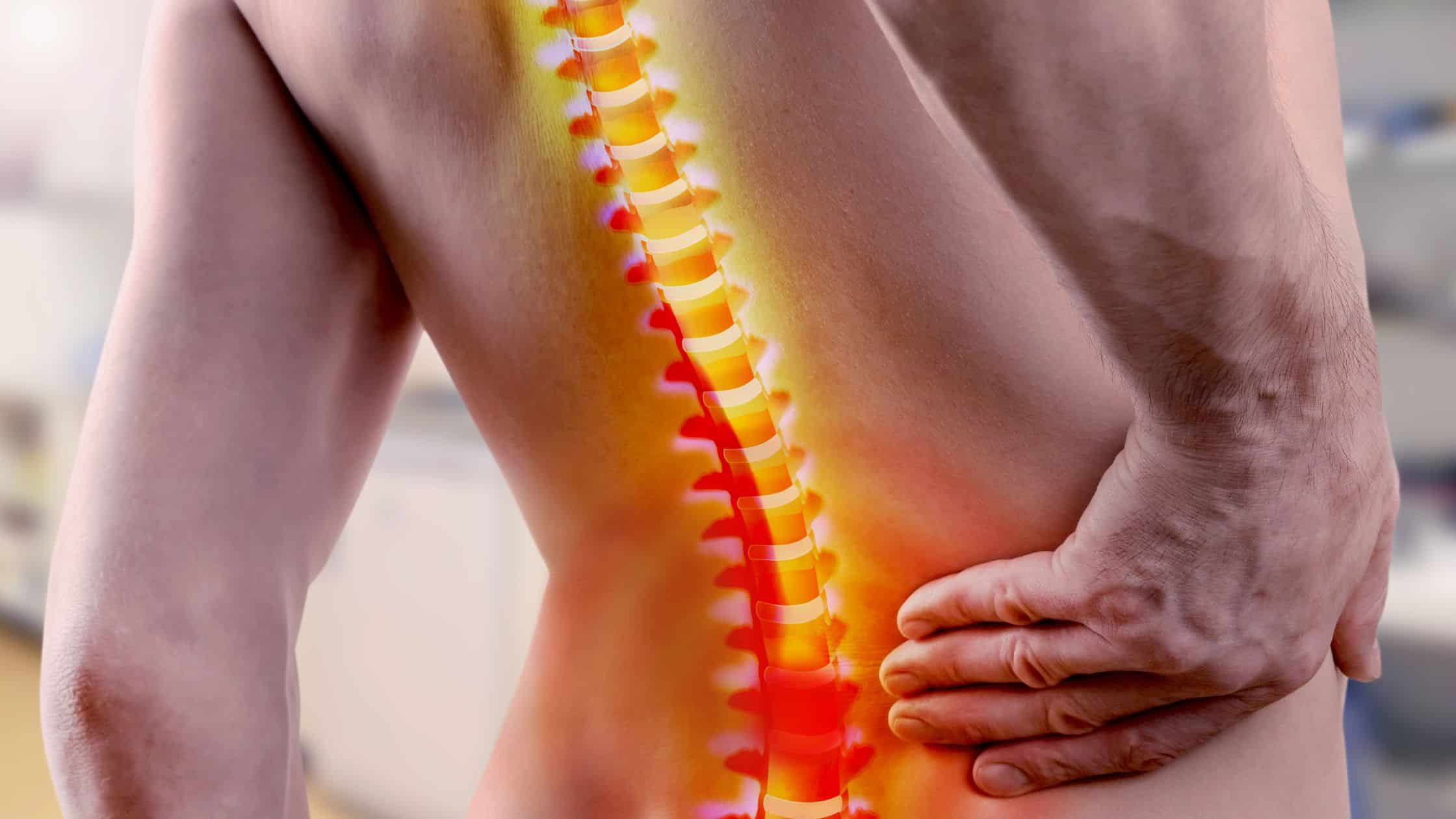
Lower back pain caused by spinal instability can slowly take over daily life. Walking feels harder, sitting becomes uncomfortable, and sleep often gets interrupted by pain. When these symptoms continue despite treatment, lumbar fusion surgery may provide the stability needed to restore comfort and function.
Preparation before surgery plays a major role in recovery, meaning patients must take the right steps before the procedure. Regular exercise, proper nutrition, and a well-prepared home environment help with faster recovery and fewer complications.
The weeks leading up to lumbar fusion surgery give patients an opportunity to support healing before the procedure begins (and after).
What Does Lumbar Fusion Surgery Involve?
Lumbar fusion surgery stabilizes the spine by joining two vertebrae together to stop painful movement and help patients return to activities they love. Doctors recommend this procedure when spinal instability causes ongoing pain, weakness, or nerve symptoms, including conditions such as degenerative disc disease and spondylolisthesis.
Many patients undergo a minimally invasive type of lumbar fusion called transforaminal lumbar interbody fusion, or MiTLIF. This means the surgeon reaches the spine through small incisions that protect nearby muscles, all key for painless movement and spinal repair. This innovative approach reduces strain on the body during surgery and helps patients return to activities they love with a faster recovery time.
Let’s take a look at 5 easy yet effective lifestyle choices you can make to prepare your body for surgery and support a smoother recovery.
1) Exercise Before Surgery Supports Recovery
Physical exercise before lumbar fusion surgery improves circulation, muscle function, and mobility.
Gentle movement prepares the body for recovery, even if this means a quick morning walk, swim, or gentle stretching. Walking each day helps maintain strength without placing stress on the spine, and gentle stretching keeps joints mobile and reduces stiffness before surgery.
Examples of gentle pre-surgery activity include:
- Short daily walks
- Light stretching routines
- Stationary cycling
- Simple posture exercises
Patients should avoid movements that increase back pain. Consistency matters more than intensity when preparing the body for surgery.
2) Stop Smoking Before Your Lumbar Fusion Procedure
For patients who smoke cigarettes, smoking must be stopped at least 6 weeks before surgery, and.6 months after surgery. Nicotine restricts blood flow to bone tissue and interferes with the fusion process. Patients who stop smoking before surgery create better conditions for bone healing and long-term spinal stability.
Quitting can feel difficult, but patients can take practical steps to make progress. Many patients preparing for surgery succeed when they:
- Reduce nicotine use gradually in the weeks before surgery
- Speak with a primary care doctor about nicotine-replacement options
- Ask family members or friends for support during the process
Even quitting a few weeks before lumbar fusion surgery can improve healing conditions and recovery outcomes.
3) Focus on Nutrition as a Foundation for Healing
Proper nutrition supports tissue repair and bone fusion after surgery. Patients preparing for lumbar fusion should focus on balanced meals that include:
- Lean protein for tissue repair
- Calcium and vitamin D to support bone healing
- Hydration to aid circulation and recovery readiness.
Patients do not need complicated diet plans. Consistent healthy meals provide the greatest benefit. Limiting alcohol consumption before surgery supports medication safety and recovery preparation.
4) Prepare Your Home Environment
Preparing your home before surgery helps reduce strain during early recovery and makes daily movement safer and more comfortable.
- Place frequently used items within easy reach
- Prepare meals in advance
- Set up a sleeping space that allows easy entry and exit without twisting your spine
- Arrange temporary help with household tasks during the first week
A few small adjustments ahead of time can make recovery smoother and less stressful.
5) Early Mobility After Lumbar Fusion
Movement supports recovery after minimally invasive lumbar fusion. Many patients begin walking soon after surgery with medical guidance. Walking improves circulation and reduces stiffness.
Patients should plan transportation for follow up appointments before surgery. Comfortable clothing and supportive shoes also help during early recovery.
Recovery progresses gradually as patients increase activity under surgical guidance.
Take the Next Step Toward Confidence & Recovery
Preparing for lumbar fusion surgery helps patients feel more in control of the recovery process. Gentle exercise, healthy nutrition, and simple home adjustments can make the early stages of recovery more comfortable and manageable.
Choosing an experienced spine surgeon also plays an important role. Dr. Sanjay Ghosh, Director of Neurosurgery at the SENTA Clinic in San Diego, specializes in minimally invasive lumbar fusion procedures designed to reduce muscle disruption and support earlier mobility.
Using a minimally invasive transforaminal lumbar interbody fusion approach, Dr. Ghosh performs lumbar fusion through two small incisions while preserving surrounding muscle tissue. His clinical research involving 620 lumbar fusion patients demonstrated the potential to perform these procedures without blood transfusions.
To discover more about your recovery and discuss the next steps, call (619) 810-1010 to schedule an expert consultation today.
Dr. Sanjay Ghosh is a board-certified neurosurgeon at SENTA Clinic in San Diego, fellowship trained in complex spine and cranial base surgery. This content is educational and not a substitute for personalized medical advice.