A Guide to Cervical Fusion Recovery and Patient Expectations

Anterior Cervical Discectomy and Fusion (ACDF)

A successful cervical fusion recovery depends on expert surgical precision and a clear understanding of the healing process.

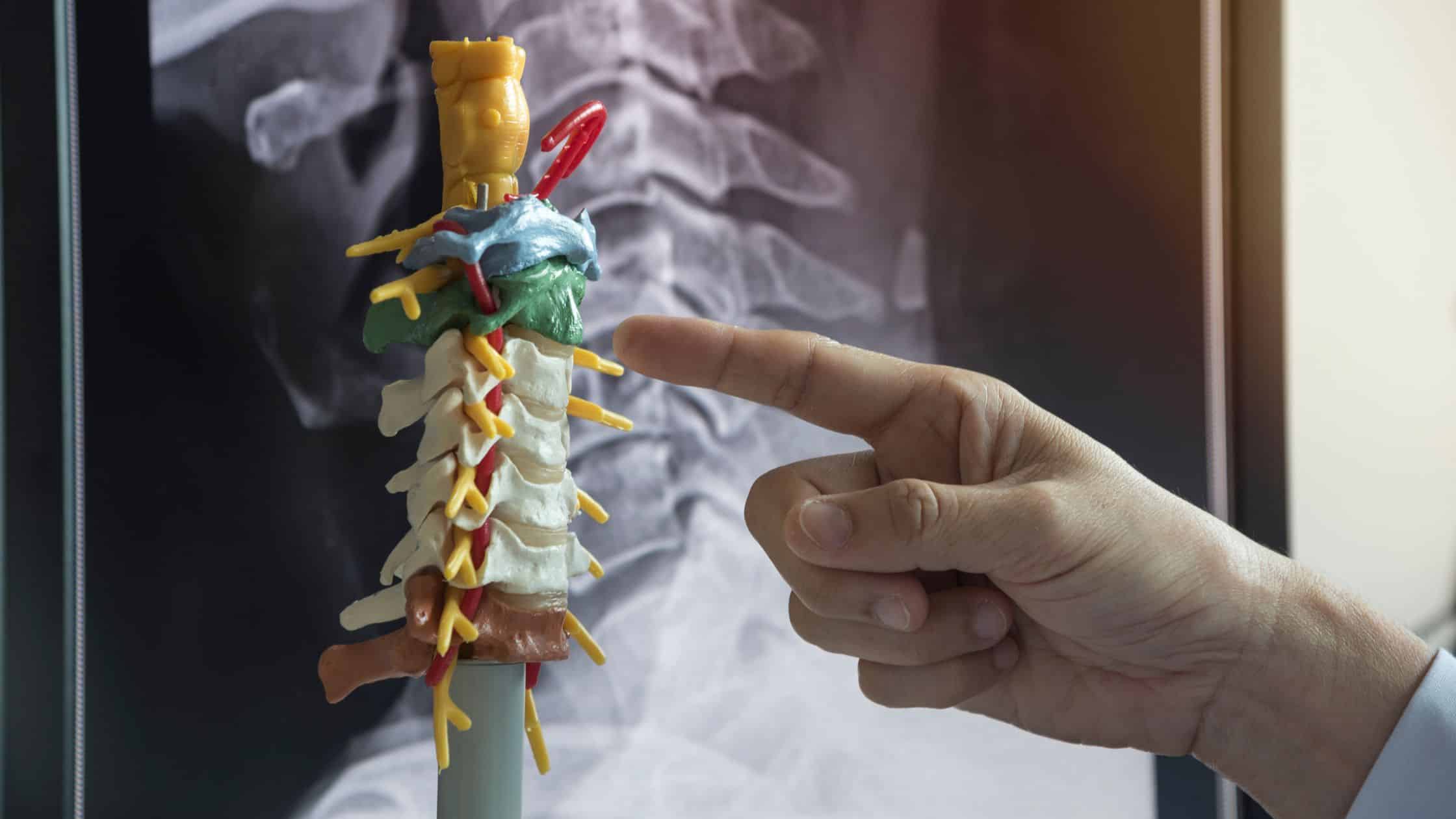
Anterior Cervical Discectomy and Fusion (ACDF) is a highly effective and reliable procedure that provides lasting relief for patients experiencing severe neck and arm pain. These issues typically stem from herniated discs, cervical spondylosis, or spinal stenosis. The primary aim of this surgery is to restore stability to the cervical spine and relieve pressure on pinched or inflamed nerve endings.

Preparing for surgery often brings questions and uncertainty. This guide provides a clear path forward and outlines a typical recovery timeline while acknowledging that every patient’s healing process is unique.

What to Expect During a Cervical Fusion Procedure

Cervical fusion provides stability by eliminating painful movement at a specific joint in the neck. The surgical team uses specialized tools to complete several critical tasks:

  • Removing the herniated disc to relieve pressure on compressed nerves.
  • Inserting a bone graft or synthetic spacer into the empty disc space.
  • Secure the adjacent vertebrae with metal plates and screws for permanent stability.

The vertebrae and the graft grow into a stable, unified structure over several months. Surgeons refer to this as a fusion. The hardware provides immediate support while the body builds new bone.

Immediately After ACDF Surgery in the Hospital

Immediately after the procedure, you will wake up in a specialized recovery unit. The medical team will focus on several key areas:

  • Monitoring your vital signs as the anesthesia wears off.
  • Managing your pain levels through intravenous or oral medications.
  • Check your neurological function by asking you to move your arms and legs.

Some patients undergoing this surgery may:

  • Wear a soft or rigid neck collar to restrict sudden movements.
  • Begin sitting up or walking within a few hours of the operation.
  • Receive specific instructions on how to swallow safely while initial throat swelling subsides.

Nurses provide detailed guidance on wound care before you transition to a standard hospital room. You will typically be discharged to your home once you can manage fluid intake and walk independently.

Typical ACDF Recovery Timeline

Clinical data describes a consistent pattern of healing after ACDF surgery. The most focused part of recovery happens in the first few weeks, followed by steady progress over several months. The bone continues to strengthen and mature for up to a year.

Recovery Guideline Table (Estimates Only)

PhaseTypical TimeframeWhat to Expect
Immediate Post-OpDays 0 to 3Pain management, throat soreness, and implementing movement protocols.
Early RecoveryWeeks 1 to 3Walking several times daily, eating soft foods, and performing basic self-care.
Functional RecoveryWeeks 4 to 6Resuming light office work as pain levels decrease and energy returns.
Rehabilitation PhaseWeeks 6 to 12Starting physical therapy to improve strength, posture, and stamina.
Long-term ConsolidationMonths 3 to 6Advancing activity levels and returning to low-impact exercise.
Fusion MaturationMonths 6 to 12The bone reaches full maturation and allows a return to most regular activities.

Guideline Note: This table is a general guide. Factors like bone density and the number of fused levels will influence your personal recovery pace.

Activity Guidelines and Restrictions After Cervical Fusion

During the initial weeks of healing, your movements should be slow and intentional. Protecting the surgical site is essential for allowing the bone to begin the fusion process.

Precautions to Follow During the First 6 Weeks

Surgeons typically provide the following instructions:

  • Avoid lifting any objects heavier than five or ten pounds.
  • Refrain from driving until you are no longer taking narcotic pain medications.
  • Limit repetitive neck movements such as looking up or down frequently.
  • Postpone strenuous activities like running or lifting weights until cleared.

During this time, you can:

  • Walk for short distances to improve circulation and lung health.
  • Perform a gentle range of motion exercises for your arms and legs.
  • Resume light household tasks that do not require bending or reaching.
  • Return to sedentary jobs around the 4-week mark if pain is well-controlled.

Expanding Your Activity from Weeks 6 to 12

As your body continues to heal, you’ll find:

  • Transition to low impact cardiovascular exercises like using a stationary bike.
  • Begin physical therapy sessions to strengthen the muscles supporting the spine.
  • Gradually increase the duration of your daily walks and standing activities.

ACDF Recovery in San Diego

Patients in San Diego who undergo the cervical fusion procedure typically:

  • Resume light activities within 2 to 6 weeks including office work.
  • Achieve initial bone bridging as confirmed by imaging at the 3-month mark.
  • Resume full physical activities by 6 months once cleared.
  • Experience significant relief from arm pain and numbness during the first year.
  • Reach a solid bony fusion across the surgical site by 12 months.

Every patient is different. Those with multi-level fusions or other health conditions may require additional time to reach these milestones.

Normal vs. Abnormal ACDF Recovery Symptoms

Typical Experiences After Cervical Surgery

  • Mild throat soreness or a feeling of a lump when swallowing food.
  • Temporary hoarseness or changes in the quality of your voice.
  • Muscle stiffness in the shoulders and upper back as your posture adjusts.
  • Moderate incision site discomfort that responds well to prescribed pain relief.

These symptoms generally fade as you walk more and progress through your exercises.

Warning Signs That Require a Call to Your Surgeon

Contact your medical team immediately if you observe:

  • Redness, warmth, or unusual drainage leaking from the incision site.
  • Sudden difficulty breathing or a feeling of significant throat tightness.
  • New or worsening weakness and numbness in your arms or legs.
  • A fever over 101 degrees Fahrenheit or persistent chills and nausea.

These issues can indicate a secondary problem such as an infection and require a prompt professional evaluation.

Strategies for a Successful Cervical Fusion

Your daily habits during recovery positively influence your outcome:

  • Prioritize Nutrition: Focus on high-protein foods and calcium to provide the essential building blocks for new bone growth.
  • Reduce Nicotine Use: Minimize use on all nicotine products because they significantly decrease fusion rates and increase the risk of hardware failure.
  • Prioritize Walking: Engage in frequent short walks to prevent blood clots and keep your joints mobile.
  • Practice Proper Ergonomics: Use a supportive chair and keep devices at eye level to avoid straining the healing vertebrae.
  • Commit to Physical Therapy: Work closely with your therapist to rebuild core and neck strength safely after the initial healing phase.

Long-Term Outlook After Cervical Fusion Surgery

Clinicians measure ACDF success through its ability to provide lasting pain relief and maintain spinal stability. Most patients notice a significant improvement in their quality of life for decades.

Lasting Benefits of ACDF:

  • Permanent Stability: A successfully fused segment creates a solid bridge of bone that remains stable for a lifetime.
  • Sustained Pain Relief: High satisfaction rates persist ten years post-surgery, particularly for patients who initially sought relief from radiating arm pain.
  • Preserved Life Expectancy: This procedure does not shorten your lifespan and often increases general health by allowing for a more active lifestyle.

Considerations for Future Spine Health:

  • Adjacent Segment Disease: The discs above and below the fusion may experience increased wear due to taking on extra motion over time.
  • Lifestyle Influence: Long-term success is heavily dependent on maintaining a healthy weight and avoiding nicotine to protect the remaining spinal levels.
  • Routine Monitoring: Occasional imaging during annual checkups ensures the hardware and surrounding vertebrae remain in optimal condition.

When to Consider Help from Experts in San Diego

San Diego residents have access to world-class spinal care and fellowship-trained specialists. Early professional consultation can prevent permanent nerve damage.

Request a consultation if you experience:

  • Persistent pain or weakness failing to improve several months after your initial surgery.
  • New symptoms appearing that your current medical team cannot clearly explain.
  • Personal concerns regarding hardware position or bone fusion progress.

Next Steps in Your Cervical Fusion Recovery

ACDF and cervical fusion surgery restore spinal alignment and relieve nerve pressure when damage has progressed beyond what physical therapy or injections can address. Recovery is measured in months, not weeks, but the payoff is often freedom from symptoms that previously dictated your daily life.

Dr. Sanjay Ghosh is a board-certified neurosurgeon at SENTA Clinic in San Diego, fellowship-trained in spine and cranial-base surgery. This information is intended for educational purposes and is not a substitute for professional medical advice.

You deserve a surgeon who explains not just what will happen, but why, and who tracks your progress with the same rigor applied in the operating room. Dr. Ghosh builds recovery plans around your lifestyle rather than generic protocols.

 To learn more about your recovery or discuss the next steps, call (619) 810-1010 or request a consultation through our practice website.

Dr. Sanjay Ghosh is a board-certified neurosurgeon at SENTA Clinic in San Diego, fellowship trained in complex spine and cranial base surgery. This content is educational and not a substitute for personalized medical advice.
Categories
Tags
Archives
Real Lives Transformed

Patients who regained strength and independence through precise, compassionate care.

Schedule a Consultation

If you’ve been diagnosed with an acoustic neuroma or are experiencing symptoms such as hearing loss or dizziness, contact Dr. Ghosh to discuss the best treatment options for you. Our team provides compassionate, evidence-based care tailored to each patient’s unique condition and lifestyle.

Meet Elisha
Elisha G.
Practice Relations Liaison

Proudly partnering with Elisha Green – Practice Relations Liaison.

Meet Lauren
Lauren G.
Assistant Office Manager

Lauren was born and raised in San Diego, California. She attended San Diego State University, graduating with a Bachelor of Arts degree in Communication in 2013. She began her professional journey in the hospitality field where she discovered her passion for helping others and building relationships. This eventually inspired her to pursue a career in healthcare, joining Sharp Healthcare in 2016 where she found great fulfillment in learning and growing within the medical field. Lauren began working with Senta Neurosurgery in 2017 supporting Dr. Sanjay Ghosh.

When not at work, Lauren enjoys spending time with her family, being an Auntie, traveling, and being outdoors.

Dr. Ghosh, I just wanted to take a moment & thank you again for all you have done for my husband, Benton (Rick) Coulter. June 26th he was brought by ambulance to Grossmont Hospital. That was the beginning of the scariest days of our lives. When we were told he needed brain surgery we were stunned, confused & not sure what to do. We asked for a second opinion by you. Within 30 minutes you were at Rick’s bedside. You were friendly, caring & confident. After examining him you told us he would need two surgeries instead of one. You even called me at home to answer our many questions. Thank you for treating us with such respect. You were available & patient as we tried to make a decision. Once we decided you were the right Dr. we had continuous confirmations that we had chosen the right one. We will be forever grateful to you! You saved my husband’s life and his sight. God used you in a mighty way & He answered our prayers. Thank you for all the work it took to be a Brain Surgeon & to help others like us. You are not only skilled but you are also caring. We appreciate you so much.
Sincerely, Karen Coulter
So far I have been taken great care of by Dr. Ghosh and his staff. Dr. G has spent quality time with me reviewing my symptoms and MRI’s etc that are a result of a day at a water park turn into one of the worst injuries I have ever had. What I appreciated the most was our efforts as a team to exhaust all options of pain management and PT before coming to the decision that no relief is in sight without surgery. I had already been referred to Dr. G’s office by other friends and patients so I’m very comfortable moving forward with Dr. Ghosh and his team.
Former Patient
I was referred to Dr. Ghosh by my corporate physician. She had heard good things about Dr. Ghosh. I went to several other neurosurgeons. They were all excellent but I just liked Dr. Ghosh’s confidence and frank manner. My surgery was quick and the result was excellent. My recovery time was minimal. The incision, with a little more time will be minimal and not noticeable. The pain I have felt for a long time is gone. I’ve noticed that others feel that Dr. Ghosh and Amanda did not spend enough quality time with them. My time with them was brief. I don’t need alot of hugs and hand holding. I just needed them to provide me with the information I needed to make decisions, which they did to my satisfaction. They are seeing alot of patients. I don’t think it would be fair to others if Dr. Ghosh and Amanda had to spend several hours caring for my psychological needs when all they really needed to do is fix my neck. Amanda is truly capable. I had an issue late on a holiday night. I called. They transferred me to her even though she was at a social event. I explained to her my concerns. She told me what to expect and under what circumstances to come back to the office.For those who felt abandoned and that they didn’t get enough time, you might find other surgeons even more unavailable. Dr. Ghosh stated he was starting to take less patients to try and spend a little more time with each patient. I hope he doesn’t. It won’t be fair to the people who won’t benefit from his talents. A special thank you to Dr. Ghosh and his team.
Former Patient
Meet Edith
Edith Smith
Director of Operations

Edith was born in Budapest, Hungary and immigrated to Los Angeles, CA as a small child.  She later received a Bachelor of Arts degree in Economics from the University of California, San Diego in 1996. From 1997 to 2002, she worked as a Program Manager at Qualcomm, during which time she also obtained a Certificate in Project Management from the University of San Diego. Edith took some time off to start her family but remained active in her volunteer efforts supporting Rady Children’s Hospital Auxiliary, where she co-chaired nine large fundraising events and served on the Board of Directors for 5 years. During her time at Rady Children’s, Edith became passionate about healthcare and neurosurgery in particular when her daughter became a neurosurgical patient at Radys. Edith joined Senta Neurosurgery’s team supporting Dr. Sanjay Ghosh’s practice in 2019. Given her personal experiences, Edith knows that getting a referral to neurosurgery is a stressful, life altering event, so she truly appreciates being part of the patient care process for Dr. Ghosh’s patients.

When not at work, Edith enjoys spending time with her friends and family, traveling, cooking, and entertaining.

Meet Melissa
Melissa Padilla
Surgery Coordinator

Melissa has an Associate of Science Degree in Medical Office Administration. She has worked in healthcare for over 25 years. She started out working in a radiology department processing film and scheduling exams. Melissa joined Dr. Ghosh’s team in 2003 and uses her skills and experience to schedule Dr. Ghosh’s patients for surgery.  She is a fierce advocate for our patients throughout the entire prior authorization and scheduling process, and her goal is to make the scheduling of our patients’ surgeries organized and stress free so that our patients can focus on healing.

Meet Deborah
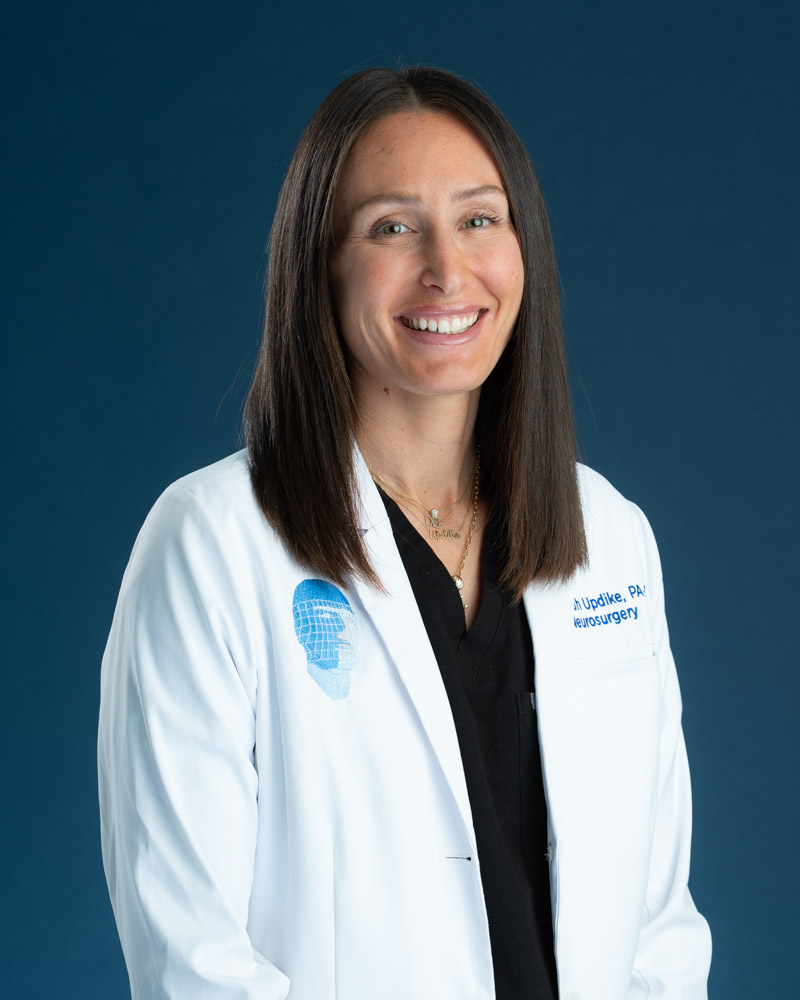
Deborah Updike
M.M.S, M.S., PA-C

Deborah is a California native. She attended American University in Washington, DC graduating with a Bachelor of Science in Marine Science and Environmental Studies. She was a college athlete, playing NCAA D1 volleyball all four years. She then attended California State University, Long Beach where she received a Masters of Marine Science in Shark Reproductive Physiology. During her first masters degree, she began transitioning into medicine and went on to receive her Master of Medical Science degree in Physician Assistant studies at Midwestern University in Downers Grove, IL. Deborah served as class Vice President. She graduated in 2017 and has been working at Senta Neurosurgery ever since. Deborah is a member of the American Academy of Physician Assistants.

Meet Edith
Edith Smith
Director of Operations

Edith was born in Budapest, Hungary and immigrated to Los Angeles, CA as a small child.  She later received a Bachelor of Arts degree in Economics from the University of California, San Diego in 1996. From 1997 to 2002, she worked as a Program Manager at Qualcomm, during which time she also obtained a Certificate in Project Management from the University of San Diego. Edith took some time off to start her family but remained active in her volunteer efforts supporting Rady Children’s Hospital Auxiliary, where she co-chaired nine large fundraising events and served on the Board of Directors for 5 years. During her time at Rady Children’s, Edith became passionate about healthcare and neurosurgery in particular when her daughter became a neurosurgical patient at Radys. Edith joined Senta Neurosurgery’s team supporting Dr. Sanjay Ghosh’s practice in 2019. Given her personal experiences, Edith knows that getting a referral to neurosurgery is a stressful, life altering event, so she truly appreciates being part of the patient care process for Dr. Ghosh’s patients.

When not at work, Edith enjoys spending time with her friends and family, traveling, cooking, and entertaining.

Meet Felix
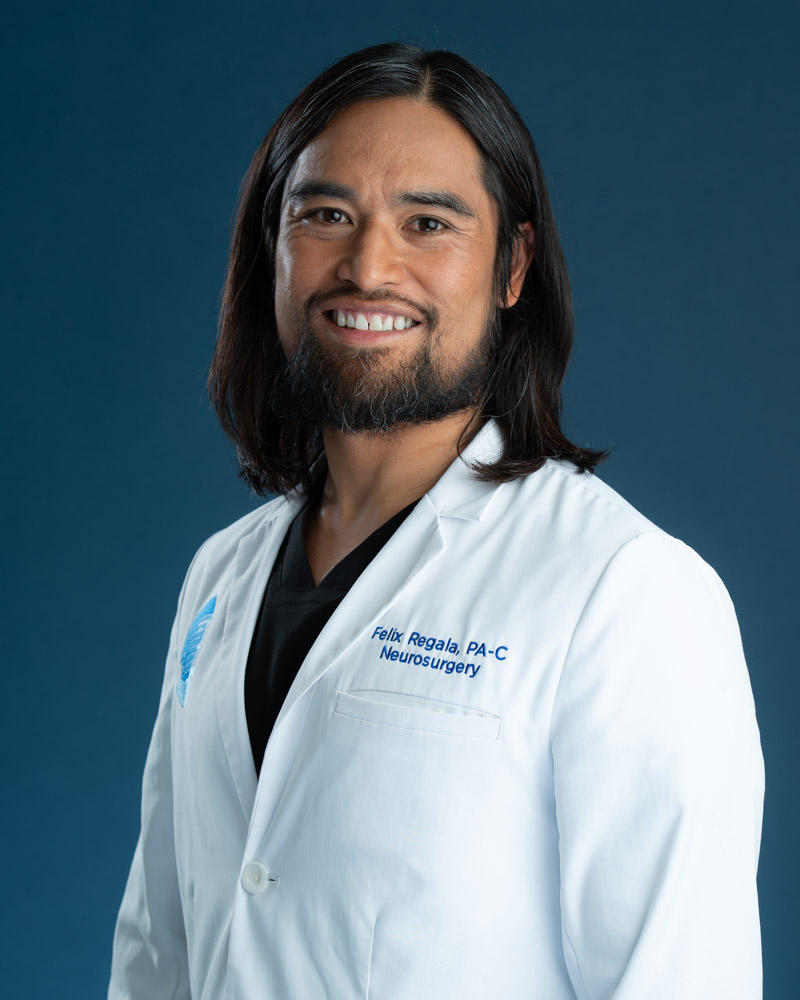
Felix Regala
MPAP, PA-C

Felix was born and raised in Abilene, Texas where he graduated from Abilene High School in 2001. He was honored with the Chuck and Doris Moser Scholarship for his accomplishments as a varsity athlete in baseball and his excellence in academics and community service. He then attended Baylor University where he graduated in 2004 with a Bachelor of Science degree in biology. Felix then spent a couple of years working in the laboratory at the Salk Institute for Biological Studies and Johnson & Johnson. He then went on to the Keck School of Medicine at University of Southern California to obtain his Master of Physician Assistant Practice degree. Felix graduated from physician assistant school in 2010. While pursuing his PA degree at USC, Felix served as class president and spent time training in neurosurgery and orthopedic spine.  Felix has been a PA with Dr. Ghosh since May 2011.

Felix enjoys being active, including playing basketball, surfing, snowboarding, golfing, and exercising. Felix is also a member of the American Academy of Physician Assistants and the California Academy of Physician Assistants.

Meet Amanda
Amanda W. Gumbert
M.M.S, PA-C

Amanda received her Bachelor of Science degree in Kinesiology at San Diego State University in 2002. She worked as an Exercise Physiologist at the Cardiac Treatment Center at Scripps Memorial Hospital La Jolla before going to PA School. Amanda graduated from Midwestern University in Glendale, Arizona with a Master of Medical Science degree in Physician Assistant studies in 2005. She began working for Dr. Ghosh in January 2006 working as the senior Physician Assistant and manager of the PAs.   Amanda has spoken at the national level at the AAPA conference on various neurosurgical topics. She is highly committed to the future Physician Assistants and frequently has students shadow her and acts as a PA student preceptor. She is a member of the American Academy of Physician Assistants, Association of Neurosurgical Physician Assistants, and The San Diego Society of Physician Assistants.  Amanda is honored to be a finalist for San Diego Magazine’s Woman of the Year— 2025 Healthcare Pioneer.

When not working, Amanda enjoys hiking, mountain biking, stand up paddle boarding, snowboarding, playing with her dogs and spending time with her family.

San Diego Magazine’s Celebrating Women
2025 Healthcare Pioneer Finalist