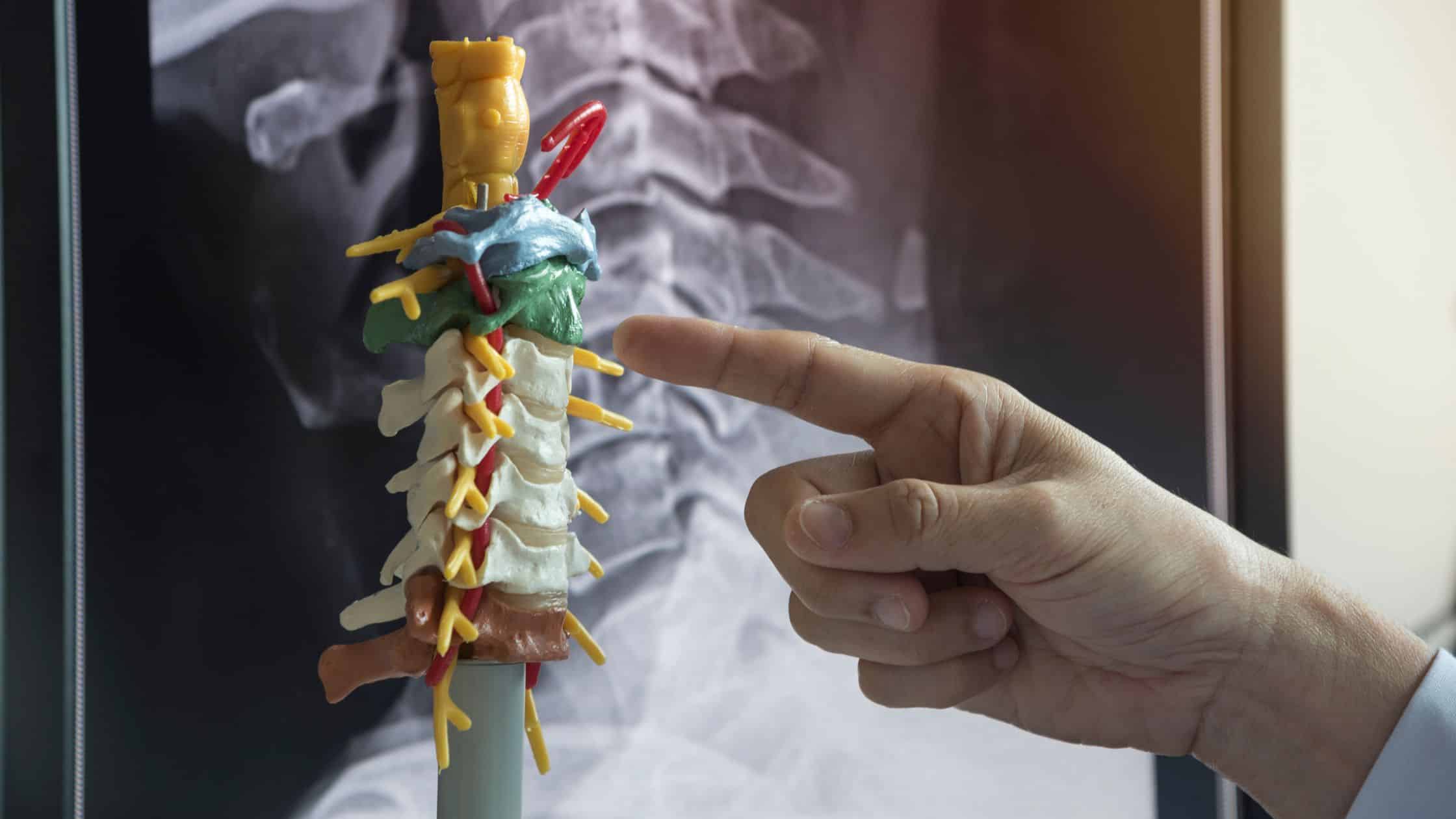
Comparing ACDF vs Artificial Disc Replacement – Which Is Right for You?

Anterior Cervical Discectomy and Fusion (ACDF)

Neck pain from conditions such as cervical disc herniation or degenerative disc disease can disrupt daily life, often leading patients to explore surgical options. Two common approaches in San Diego are Anterior Cervical Discectomy and Fusion (ACDF) and Artificial Disc Replacement (ADR). Both aim to relieve nerve compression and restore stability, but they differ in technique, recovery, and long-term implications. As a neurosurgeon in San Diego with extensive experience in cervical spine procedures, I’ve guided many patients through these choices. This article compares ACDF and ADR based on clinical considerations to help you understand the factors that might influence the right option for your situation.

Quick Answer

Choosing between Anterior Cervical Discectomy and Fusion (ACDF) and Artificial Disc Replacement (ADR) in San Diego depends on your spinal anatomy, disc level involvement, bone and facet joint health, and your activity goals. ACDF is the time-tested standard for nerve decompression and stability; ADR is a newer motion-preserving alternative that may reduce stress on adjacent levels in suitable patients. Both procedures aim to relieve pain and restore function, and an experienced spine surgeon can help determine which is right for you.

Remember: every case is unique, and a thorough evaluation with imaging and history is essential.

Important Note: Dr. Ghosh does not perform artificial disc replacement. He was involved in early clinical trials for cervical artificial disc implants and uses that experience to help patients understand the long-term safety and effectiveness of these devices before they make treatment decisions. 

What is ACDF (Anterior Cervical Discectomy and Fusion)?

ACDF involves accessing the cervical spine through a small incision in the front of the neck, removing the damaged disc, and fusing the adjacent vertebrae with a bone graft or implant to stabilize the segment. Typically, the surgeon retracts the esophagus and trachea gently, removes the disc material and any bone spurs, inserts a spacer or graft and often uses screws and a plate for fixation. ACDF is ideal for conditions such as multi-level degeneration, significant instability or large bone spur formation. One major benefit is its long-track record of success and proven reliability in decompressing nerves and providing stability. According to patient-education resources, ACDF remains the “gold standard” for many cervical disc problems. (Spine-health)

What is Artificial Disc Replacement (ADR)?

In ADR the damaged cervical disc is removed via the anterior neck approach, and a prosthetic disc is implanted at that level. The goal is to preserve normal motion of the segment, unlike fusion which eliminates movement. ADR is best suited for single-level disc disease in younger, active patients without advanced facet arthritis or spinal instability. The advantages include maintenance of neck mobility and potentially reducing stress on adjacent discs. According to recent meta-analyses, ADR offers a favorable safety profile and lower re-operation and adjacent segment degeneration (ASD) rates compared with ACDF in selected patients. (BioMed Central)

Key Similarities Between ACDF and ADR

Though technique differs, both share foundational elements:

  • Both use an anterior cervical incision (approximately one to two inches) that avoids large muscle disruption.
  • Both aim to decompress nerves, relieve arm or neck pain, and restore function.
  • In many cases in San Diego, they are outpatient or short-stay procedures under general anesthesia lasting 1–2 hours.
  • Both provide high rates of early pain relief when properly indicated. According to one source, outcomes for ADR and ACDF are comparable in many respects at mid-term follow-up. (Journal of Neurosurgery)

These similarities explain why some patients may be candidates for either option and why a tailored decision-making process is important.

Key Differences: Side-by-Side Comparison

AspectACDFADR
Motion PreservationFusion eliminates movement at treated levelPreserves motion at the treated level
Levels TreatedEffective for 1-3 levels; often used in multi-level diseaseTypically indicated for single-level cases
Bone / Joint HealthSuitable even if some bone or joint degeneration existsRequires good bone density and minimal facet joint arthritis
Long-Term Adjacent StressHigher risk of adjacent segment degeneration (ASD)Studies show lower ASD and re-operation in selected cases (IJSSurgery)
Recovery & ActivitySlightly slower: fusion healing must occurUsually faster return to motion and activities
Evidence BaseDecades of data and strong long-term track recordGrowing long-term data; recent trials show superiority in selected patients (ScienceDirect)

Guideline Note: This table provides a general comparison only; individual outcomes depend on many factors including anatomy, health status, and surgeon technique.

Who Is a Candidate for Each Procedure?

ACDF Candidates: Patients with multi-level cervical degeneration, older age, poorer bone quality, or greater spinal instability.
ADR Candidates: Younger active patients with single-level disc disease, good bone quality, intact facet joints, and desire to maintain neck motion.
Exclusions & Considerations: Both types of surgery may be inappropriate in cases of infection, severe osteoporosis, or posterior instability; imaging and symptoms guide suitability. A surgeon in San Diego experienced in both ACDF and ADR can help you weigh which approach fits your goals and anatomy.

Recovery Timeline: What to Expect Post-Surgery

Guideline Only: The timeline below is an approximate guideline; individual recovery may vary widely based on surgical complexity, number of levels treated, pre-existing health conditions, and adherence to rehabilitation.

PhaseACDFADR
Hospital StayOften 1-2 daysOften same-day discharge in eligible patients
Early Weeks (1-2)Neck brace may be used; walking encouraged; no heavy liftingLess likely to need brace; gentle motion and walking begin
Weeks 3-6Return to light work; physical therapy begins; fusion healing initiatedDriving often by week 2-3; physical therapy for motion and strength
Months 2+Full activities by 3-6 months; imaging confirms fusionNear-normal activity by 6-8 weeks; long-term motion monitoring continues

Stay hydrated, follow post-operative instructions carefully, and contact your surgeon promptly for symptoms like fever, wound drainage, or new neurological changes.

Risks & Benefits: Weighing the Trade-Offs

Neither surgery is risk-free. Here’s how they compare:

  • Benefits of ACDF: Time-tested method, broad applicability, reliable when fusion is indicated.
  • Risks of ACDF: Loss of motion at the treated level, potential for adjacent segment degeneration, longer healing time.
  • Benefits of ADR: Motion preservation, potential reduction in adjacent disc stress, quicker return to activities if eligible.
  • Risks of ADR: Less long-term data in some scenarios, risk of device wear or failure over decades, and not suitable for all patients. One meta-analysis found ADR had lower re-operation and ASD rates than fusion in long-term follow-up. (Europe PMC) Artificial discs have the potential for unexpected catastrophic failure at any point in time following implantation

General risks for both procedures include infection, nerve injury, bleeding, and implant or hardware issues; patients should ask surgeons about their complication and revision statistics.

Local Considerations: ACDF & ADR in San Diego

In the San Diego region, patients have access to board-certified neurosurgeons offering both ACDF and ADR, supported by major hospital systems and advanced imaging facilities. When comparing options, look for a surgeon who:

  • Has experience in both procedures and can objectively advise which fits your case.
  • Uses a multidisciplinary team for evaluation and post-operative rehabilitation.
  • Provides an individualized plan aligned with your goals—whether that means restoring stability, preserving motion, returning to sports, or minimizing downtime.

Final Thoughts: How to Proceed

Both ACDF and ADR aim to relieve pain and improve function, but they differ in technique, motion preservation, and long-term safety. 

Dr. Sanjay Ghosh does not perform artificial disc replacement, but his background in early ADR trials gives him unique expertise in its design and safety profile. He provides trusted, unbiased guidance to help patients understand their choices and pursue the safest, most durable solution for their cervical spine health. 

Dr. Sanjay Ghosh is a board-certified neurosurgeon at SENTA Clinic in San Diego, fellowship-trained in spine and cranial-base surgery. This content is educational and not a substitute for personalized medical advice.

Key Takeaways

  • ACDF is a durable fusion operation, well-studied and widely used.
  • ADR preserves motion, may reduce adjacent segment stress, and often allows faster activity return when the patient is a suitable candidate.
  • The best option depends on the number of levels, bone and joint health, activity level, and your lifestyle priorities.
  • Early specialist evaluation can help determine whether ACDF, ADR, or another treatment is right for you, and maximize your long-term outcome.

Whether you’re exploring ACDF (anterior cervical discectomy and fusion) or artificial disc replacement, make sure you have the right information for your unique condition. Reach out to Dr. Sanjay Ghosh in San Diego to review your imaging and discuss your best path forward. Call (619) 810-1010 or visit our contact us page to book a consultation.
Categories
Tags
Archives
Real Lives Transformed

Patients who regained strength and independence through precise, compassionate care.

Schedule a Consultation

If you’ve been diagnosed with an acoustic neuroma or are experiencing symptoms such as hearing loss or dizziness, contact Dr. Ghosh to discuss the best treatment options for you. Our team provides compassionate, evidence-based care tailored to each patient’s unique condition and lifestyle.

Meet Elisha
Elisha G.
Practice Relations Liaison

Proudly partnering with Elisha Green – Practice Relations Liaison.

Meet Lauren
Lauren G.
Assistant Office Manager

Lauren was born and raised in San Diego, California. She attended San Diego State University, graduating with a Bachelor of Arts degree in Communication in 2013. She began her professional journey in the hospitality field where she discovered her passion for helping others and building relationships. This eventually inspired her to pursue a career in healthcare, joining Sharp Healthcare in 2016 where she found great fulfillment in learning and growing within the medical field. Lauren began working with Senta Neurosurgery in 2017 supporting Dr. Sanjay Ghosh.

When not at work, Lauren enjoys spending time with her family, being an Auntie, traveling, and being outdoors.

Dr. Ghosh, I just wanted to take a moment & thank you again for all you have done for my husband, Benton (Rick) Coulter. June 26th he was brought by ambulance to Grossmont Hospital. That was the beginning of the scariest days of our lives. When we were told he needed brain surgery we were stunned, confused & not sure what to do. We asked for a second opinion by you. Within 30 minutes you were at Rick’s bedside. You were friendly, caring & confident. After examining him you told us he would need two surgeries instead of one. You even called me at home to answer our many questions. Thank you for treating us with such respect. You were available & patient as we tried to make a decision. Once we decided you were the right Dr. we had continuous confirmations that we had chosen the right one. We will be forever grateful to you! You saved my husband’s life and his sight. God used you in a mighty way & He answered our prayers. Thank you for all the work it took to be a Brain Surgeon & to help others like us. You are not only skilled but you are also caring. We appreciate you so much.
Sincerely, Karen Coulter
So far I have been taken great care of by Dr. Ghosh and his staff. Dr. G has spent quality time with me reviewing my symptoms and MRI’s etc that are a result of a day at a water park turn into one of the worst injuries I have ever had. What I appreciated the most was our efforts as a team to exhaust all options of pain management and PT before coming to the decision that no relief is in sight without surgery. I had already been referred to Dr. G’s office by other friends and patients so I’m very comfortable moving forward with Dr. Ghosh and his team.
Former Patient
I was referred to Dr. Ghosh by my corporate physician. She had heard good things about Dr. Ghosh. I went to several other neurosurgeons. They were all excellent but I just liked Dr. Ghosh’s confidence and frank manner. My surgery was quick and the result was excellent. My recovery time was minimal. The incision, with a little more time will be minimal and not noticeable. The pain I have felt for a long time is gone. I’ve noticed that others feel that Dr. Ghosh and Amanda did not spend enough quality time with them. My time with them was brief. I don’t need alot of hugs and hand holding. I just needed them to provide me with the information I needed to make decisions, which they did to my satisfaction. They are seeing alot of patients. I don’t think it would be fair to others if Dr. Ghosh and Amanda had to spend several hours caring for my psychological needs when all they really needed to do is fix my neck. Amanda is truly capable. I had an issue late on a holiday night. I called. They transferred me to her even though she was at a social event. I explained to her my concerns. She told me what to expect and under what circumstances to come back to the office.For those who felt abandoned and that they didn’t get enough time, you might find other surgeons even more unavailable. Dr. Ghosh stated he was starting to take less patients to try and spend a little more time with each patient. I hope he doesn’t. It won’t be fair to the people who won’t benefit from his talents. A special thank you to Dr. Ghosh and his team.
Former Patient
Meet Edith
Edith Smith
Director of Operations

Edith was born in Budapest, Hungary and immigrated to Los Angeles, CA as a small child.  She later received a Bachelor of Arts degree in Economics from the University of California, San Diego in 1996. From 1997 to 2002, she worked as a Program Manager at Qualcomm, during which time she also obtained a Certificate in Project Management from the University of San Diego. Edith took some time off to start her family but remained active in her volunteer efforts supporting Rady Children’s Hospital Auxiliary, where she co-chaired nine large fundraising events and served on the Board of Directors for 5 years. During her time at Rady Children’s, Edith became passionate about healthcare and neurosurgery in particular when her daughter became a neurosurgical patient at Radys. Edith joined Senta Neurosurgery’s team supporting Dr. Sanjay Ghosh’s practice in 2019. Given her personal experiences, Edith knows that getting a referral to neurosurgery is a stressful, life altering event, so she truly appreciates being part of the patient care process for Dr. Ghosh’s patients.

When not at work, Edith enjoys spending time with her friends and family, traveling, cooking, and entertaining.

Meet Melissa
Melissa Padilla
Surgery Coordinator

Melissa has an Associate of Science Degree in Medical Office Administration. She has worked in healthcare for over 25 years. She started out working in a radiology department processing film and scheduling exams. Melissa joined Dr. Ghosh’s team in 2003 and uses her skills and experience to schedule Dr. Ghosh’s patients for surgery.  She is a fierce advocate for our patients throughout the entire prior authorization and scheduling process, and her goal is to make the scheduling of our patients’ surgeries organized and stress free so that our patients can focus on healing.

Meet Deborah
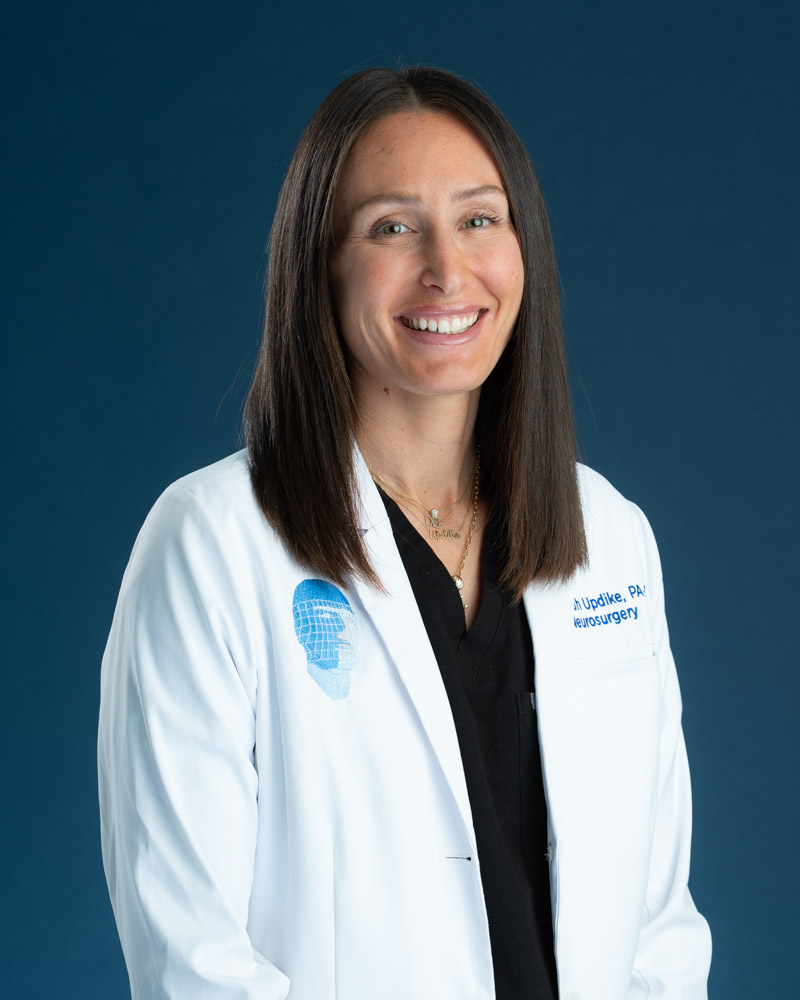
Deborah Updike
M.M.S, M.S., PA-C

Deborah is a California native. She attended American University in Washington, DC graduating with a Bachelor of Science in Marine Science and Environmental Studies. She was a college athlete, playing NCAA D1 volleyball all four years. She then attended California State University, Long Beach where she received a Masters of Marine Science in Shark Reproductive Physiology. During her first masters degree, she began transitioning into medicine and went on to receive her Master of Medical Science degree in Physician Assistant studies at Midwestern University in Downers Grove, IL. Deborah served as class Vice President. She graduated in 2017 and has been working at Senta Neurosurgery ever since. Deborah is a member of the American Academy of Physician Assistants.

Meet Edith
Edith Smith
Director of Operations

Edith was born in Budapest, Hungary and immigrated to Los Angeles, CA as a small child.  She later received a Bachelor of Arts degree in Economics from the University of California, San Diego in 1996. From 1997 to 2002, she worked as a Program Manager at Qualcomm, during which time she also obtained a Certificate in Project Management from the University of San Diego. Edith took some time off to start her family but remained active in her volunteer efforts supporting Rady Children’s Hospital Auxiliary, where she co-chaired nine large fundraising events and served on the Board of Directors for 5 years. During her time at Rady Children’s, Edith became passionate about healthcare and neurosurgery in particular when her daughter became a neurosurgical patient at Radys. Edith joined Senta Neurosurgery’s team supporting Dr. Sanjay Ghosh’s practice in 2019. Given her personal experiences, Edith knows that getting a referral to neurosurgery is a stressful, life altering event, so she truly appreciates being part of the patient care process for Dr. Ghosh’s patients.

When not at work, Edith enjoys spending time with her friends and family, traveling, cooking, and entertaining.

Meet Felix
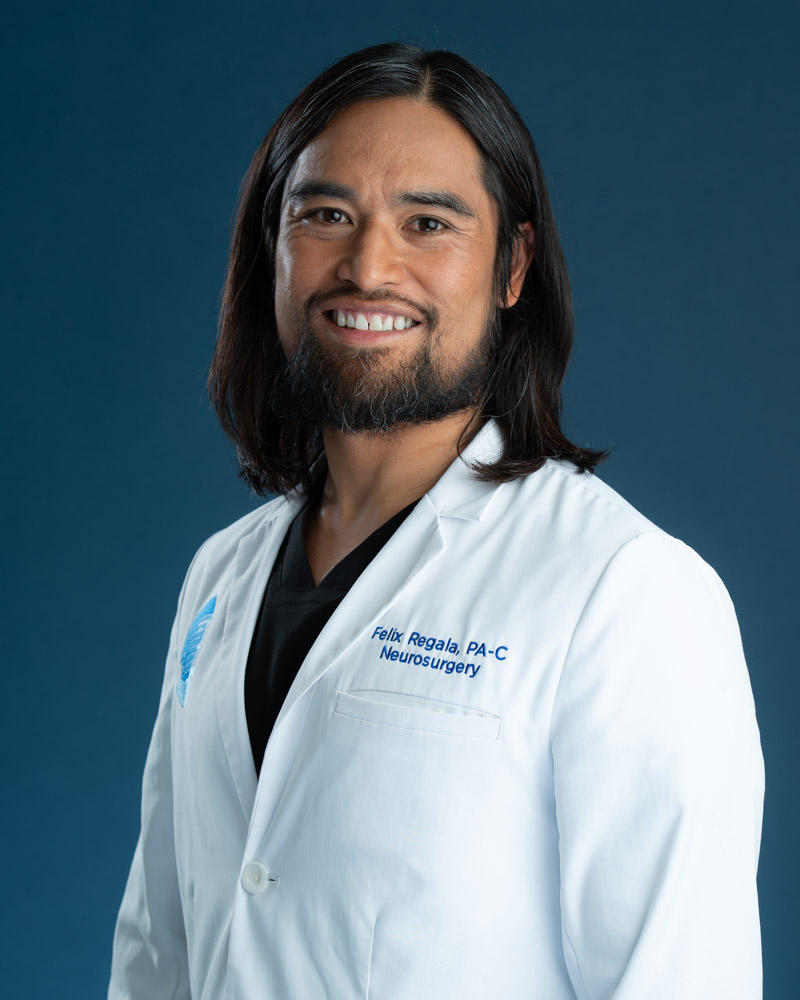
Felix Regala
MPAP, PA-C

Felix was born and raised in Abilene, Texas where he graduated from Abilene High School in 2001. He was honored with the Chuck and Doris Moser Scholarship for his accomplishments as a varsity athlete in baseball and his excellence in academics and community service. He then attended Baylor University where he graduated in 2004 with a Bachelor of Science degree in biology. Felix then spent a couple of years working in the laboratory at the Salk Institute for Biological Studies and Johnson & Johnson. He then went on to the Keck School of Medicine at University of Southern California to obtain his Master of Physician Assistant Practice degree. Felix graduated from physician assistant school in 2010. While pursuing his PA degree at USC, Felix served as class president and spent time training in neurosurgery and orthopedic spine.  Felix has been a PA with Dr. Ghosh since May 2011.

Felix enjoys being active, including playing basketball, surfing, snowboarding, golfing, and exercising. Felix is also a member of the American Academy of Physician Assistants and the California Academy of Physician Assistants.

Meet Amanda
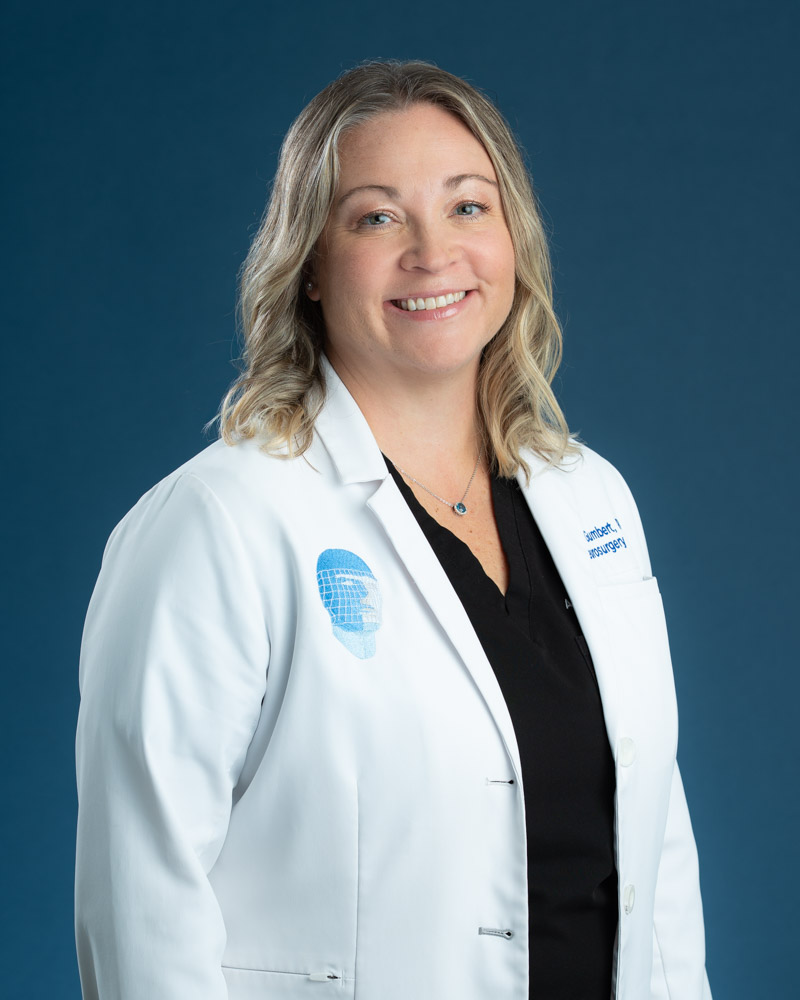
Amanda W. Gumbert
M.M.S, PA-C

Amanda received her Bachelor of Science degree in Kinesiology at San Diego State University in 2002. She worked as an Exercise Physiologist at the Cardiac Treatment Center at Scripps Memorial Hospital La Jolla before going to PA School. Amanda graduated from Midwestern University in Glendale, Arizona with a Master of Medical Science degree in Physician Assistant studies in 2005. She began working for Dr. Ghosh in January 2006 working as the senior Physician Assistant and manager of the PAs.   Amanda has spoken at the national level at the AAPA conference on various neurosurgical topics. She is highly committed to the future Physician Assistants and frequently has students shadow her and acts as a PA student preceptor. She is a member of the American Academy of Physician Assistants, Association of Neurosurgical Physician Assistants, and The San Diego Society of Physician Assistants.  Amanda is honored to be a finalist for San Diego Magazine’s Woman of the Year— 2025 Healthcare Pioneer.

When not working, Amanda enjoys hiking, mountain biking, stand up paddle boarding, snowboarding, playing with her dogs and spending time with her family.

San Diego Magazine’s Celebrating Women
2025 Healthcare Pioneer Finalist