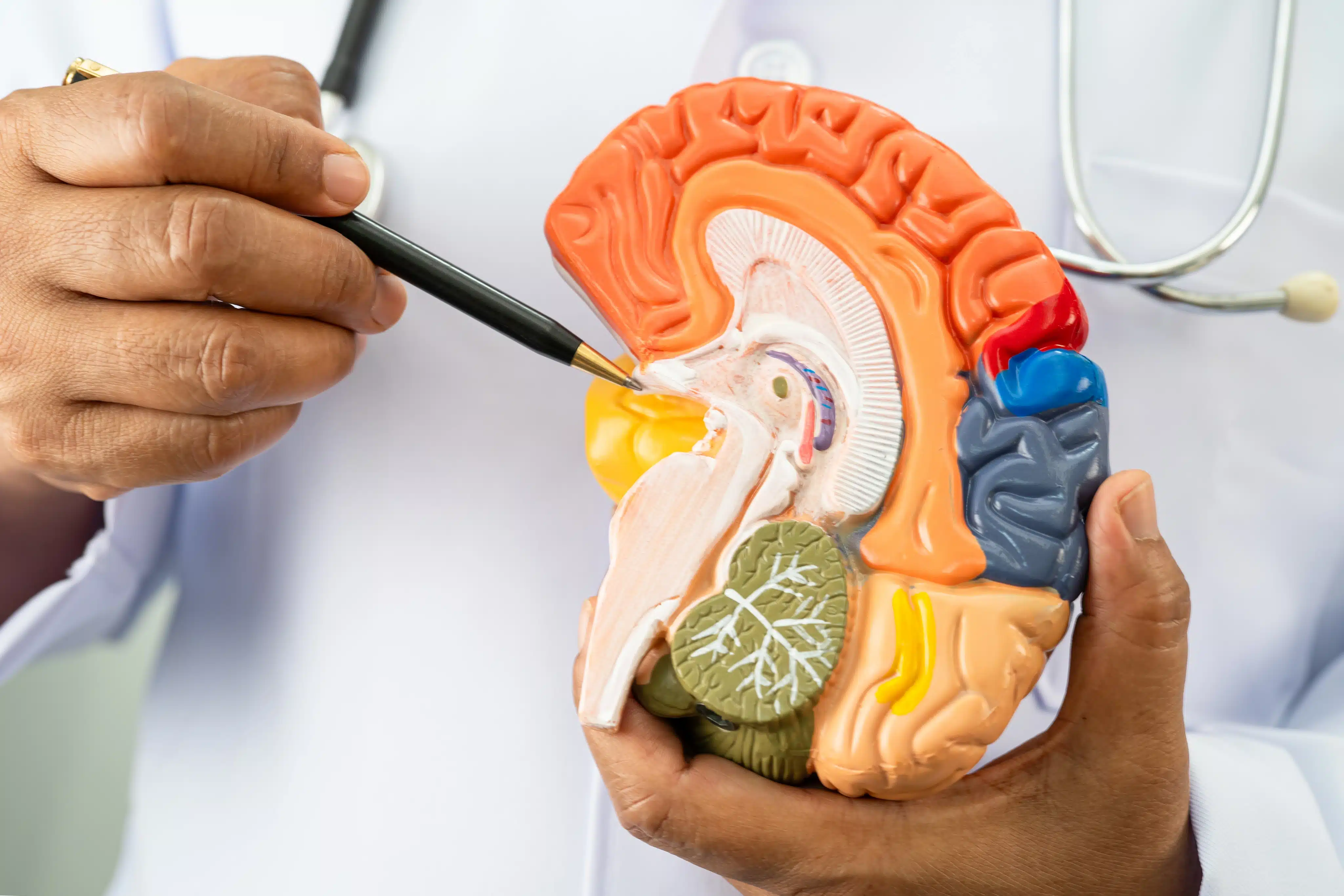
Cranial conditions affect the brain, skull base, blood vessels, and nerves of the face. Some grow slowly and cause subtle changes over time. Others, like bleeding from a ruptured aneurysm or serious brain trauma, can be life-threatening and need urgent care.
Dr. Sanjay Ghosh is a board-certified neurosurgeon in Mission Valley, San Diego, with fellowship training in skull base surgery and extensive experience treating brain tumors, cranial base disorders, and complex trauma.
This page gives an overview of the cranial conditions and advanced treatments offered in our practice and links to more detailed information. If you already know your diagnosis, you can click your condition below. If you are still looking for answers, these summaries can help you understand what may be going on and when to seek care.
Acoustic Neuroma (Vestibular Schwannoma)
An acoustic neuroma is a benign (noncancerous) tumor that grows on the balance and hearing nerve between the inner ear and the brain. It often causes one-sided hearing loss, ringing in the ear (tinnitus), and balance problems as it slowly enlarges. Treatment may include careful monitoring, radiation (such as Gamma Knife or CyberKnife), or surgery, depending on tumor size, growth, age, and symptoms. Learn More
Brain Tumors (General)
“Brain tumor” is a broad term for abnormal growths of cells in or around the brain. Tumors may be benign or malignant (cancerous), but even benign tumors can cause serious problems if they press on critical brain areas. Symptoms can include headaches, seizures, weakness, changes in speech, vision, balance, or personality.
Dr. Ghosh cares for many types of primary and metastatic brain tumors and works closely with multidisciplinary teams to decide whether surgery, radiosurgery, radiation, medication, or a combination is the best option. Learn More
Glioma
A glioma is a tumor that starts in glial cells, which support the nerve cells in the brain. Gliomas range from slower-growing tumors to very aggressive forms like glioblastoma. Common symptoms include headaches, seizures, weakness, or changes in thinking, speech, or personality, depending on where the tumor sits. Treatment often includes a mix of surgery, radiation, and chemotherapy. Learn More
Meningioma
A meningioma is a tumor that grows from the meninges, the protective layers surrounding the brain and spinal cord. It is the most common type of primary brain tumor, and most meningiomas are benign and slow-growing. Many cause no symptoms for years; others can lead to headaches, seizures, weakness, or vision and hearing changes by putting pressure on nearby brain tissue or nerves.
Because of his skull base fellowship training, Dr. Ghosh is experienced in removing deep-seated and complex meningiomas that sit near critical nerves and blood vessels. Learn More
Pituitary Adenoma
A pituitary adenoma is a benign tumor of the pituitary gland, a pea-sized gland at the base of the brain that controls many hormones. These tumors can cause symptoms by changing hormone levels (such as weight changes, menstrual changes, or milk leakage) or by pressing on nearby structures, especially the optic nerves, causing vision problems.
Treatment depends on size and hormone activity and may include observation, medication, surgery, and/or radiosurgery. Learn More
Ependymoma
An ependymoma is a rare tumor of the brain or spinal cord that arises from ependymal cells lining the fluid-filled spaces (ventricles) and central canal. These tumors can block normal cerebrospinal fluid flow and increase pressure in the brain, causing headaches, nausea, balance problems, or neurologic changes.
Treatment usually involves surgery to remove as much tumor as safely possible, followed by radiation in selected cases. Learn More
Cerebral Aneurysms
A cerebral (brain) aneurysm is a bulge or ballooning in a weakened area of a brain artery. Most unruptured aneurysms cause no symptoms and are found by chance on imaging. However, if an aneurysm leaks or ruptures, it can cause sudden, severe bleeding around the brain (subarachnoid hemorrhage), often described as “the worst headache of my life,” and can be life-threatening.
Management may include monitoring, endovascular procedures, or open surgery depending on aneurysm size, shape, location, and each patient’s overall risk. Learn More
Trigeminal Neuralgia
Trigeminal neuralgia is a chronic facial pain condition that causes sudden, severe, electric shock-like pain on one side of the face. Even light touch-such as brushing your teeth, talking, or a breeze on the cheek-can trigger attacks. It is usually caused by irritation or compression of the trigeminal nerve, which carries sensation from the face to the brain.
First-line treatment is typically medication, but when medications are not effective or tolerated, Dr. Ghosh offers surgical and radiosurgical options, including procedures that relieve pressure on the nerve or target it with focused radiation (such as Gamma Knife). Learn More
Hemifacial Spasm
Hemifacial spasm causes repetitive, involuntary twitching of the muscles on one side of the face. Over time, the spasms can spread from the eyelid to the cheek and mouth and can be socially and functionally disabling. Many cases are due to a blood vessel pressing on the facial nerve near the brainstem.
Initial treatment often involves Botox® injections to relax the affected muscles. For longer-term relief, some patients may benefit from microvascular decompression surgery, which moves the offending blood vessel away from the nerve. Learn More
Brain Trauma & Injury
Brain Trauma / Traumatic Brain Injury (TBI)
Brain trauma (traumatic brain injury, or TBI) is caused by an external force-such as a blow or jolt to the head, a fall, a car crash, or an object penetrating the skull. Mild TBIs (concussions) may cause temporary symptoms like headache, dizziness, or confusion. More severe injuries can lead to prolonged unconsciousness, bleeding, swelling, and long-term problems with thinking, mood, movement, or behavior.
As Director of Neurosurgery at SENTA Clinic and neurotrauma leader at Scripps hospitals, Dr. Ghosh cares for patients with acute brain trauma and its long-term effects, working with critical care, rehabilitation, and other specialists to optimize recovery. Learn More
Some cranial conditions can be treated with stereotactic radiosurgery (SRS)-a highly focused form of radiation that targets small areas with precision while minimizing exposure to surrounding brain tissue. Despite the word “surgery,” these are non-incisional treatments.
Gamma Knife Surgery
Gamma Knife surgery is a type of stereotactic radiosurgery that uses many beams of gamma rays to deliver a high dose of radiation to a precisely defined target in the brain. It is commonly used for small brain tumors, arteriovenous malformations (AVMs), and trigeminal neuralgia, among other conditions. Patients typically go home the same day, and there is no scalpel incision. Learn More
CyberKnife Radiosurgery
CyberKnife is a robotic radiosurgery system that delivers highly focused X-ray beams from many angles, tracking even small movements of the target. It can treat both benign and malignant brain tumors, metastases, and some functional disorders in just a few outpatient sessions, without incisions or hospital stays.
Dr. Ghosh has substantial experience using both Gamma Knife and CyberKnife to treat complex cranial conditions and will discuss whether radiosurgery, open surgery, or a combined approach is best for your specific case. Learn More
You should seek prompt evaluation if you or a loved one has:
Early diagnosis can expand your treatment options and may improve outcomes.
Dr. Sanjay Ghosh and his team in Mission Valley, San Diego, provide comprehensive evaluation and individualized care for cranial conditions-from monitoring small, slow-growing tumors to performing complex skull base surgery and radiosurgery. If you’re concerned about a brain or cranial nerve condition, we’re here to help you understand your diagnosis and next steps.
To request an appointment, please contact our office or call (619) 810-1010.
Patients who regained strength and independence through precise, compassionate care.
Thank you to a man who comes to this church, who’s one of the great surgeons. He did something that’s pretty much impossible. His name is Sanjay Ghosh. Everybody wants to know who did Donna’s surgery — I’m just going to tell you straight out: it’s him. You do what you want to do with that, but that’s true. And he’s amazing, and we’re so grateful. He was a gift of God to us at this particular time.

For the most of my life, I have trained and presented wildlife in public conservation education programs and the media. My work is often very physically demanding and I have used the Senta Clinic and Dr. Sanjay Ghosh to treat my spinal issues and keep me able to continue my work and manage my pain.
If you’ve been diagnosed with an acoustic neuroma or are experiencing symptoms such as hearing loss or dizziness, contact Dr. Ghosh to discuss the best treatment options for you. Our team provides compassionate, evidence-based care tailored to each patient’s unique condition and lifestyle.
Proudly partnering with Elisha Green – Practice Relations Liaison.
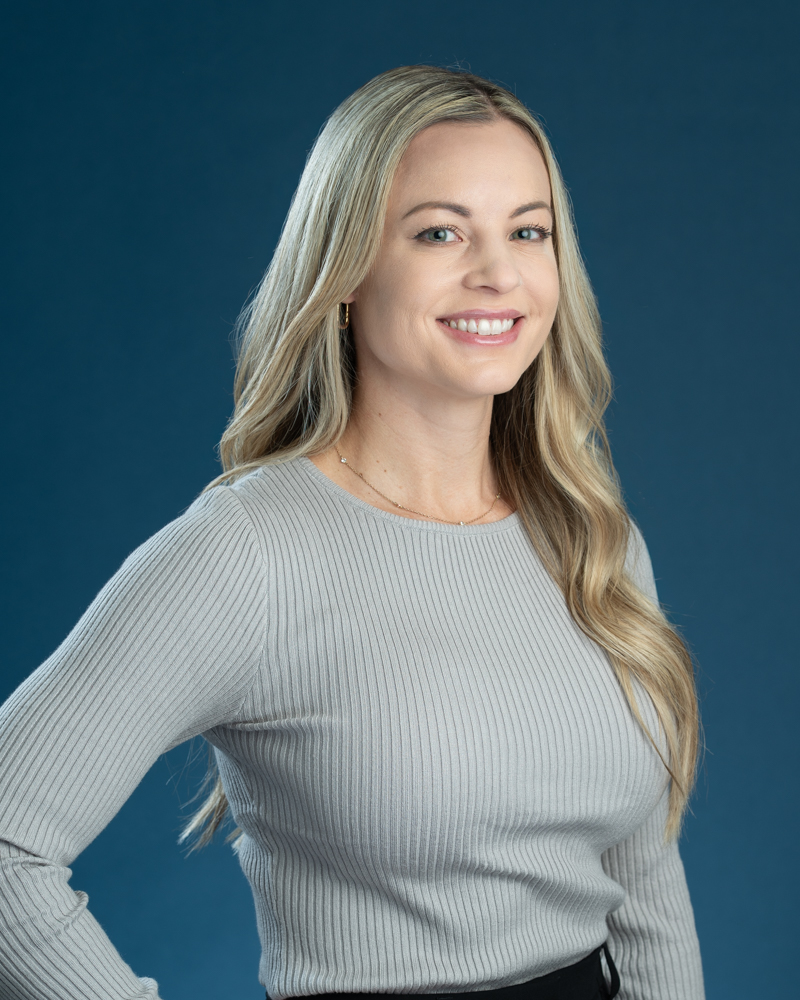
Lauren was born and raised in San Diego, California. She attended San Diego State University, graduating with a Bachelor of Arts degree in Communication in 2013. She began her professional journey in the hospitality field where she discovered her passion for helping others and building relationships. This eventually inspired her to pursue a career in healthcare, joining Sharp Healthcare in 2016 where she found great fulfillment in learning and growing within the medical field. Lauren began working with Senta Neurosurgery in 2017 supporting Dr. Sanjay Ghosh.
When not at work, Lauren enjoys spending time with her family, being an Auntie, traveling, and being outdoors.

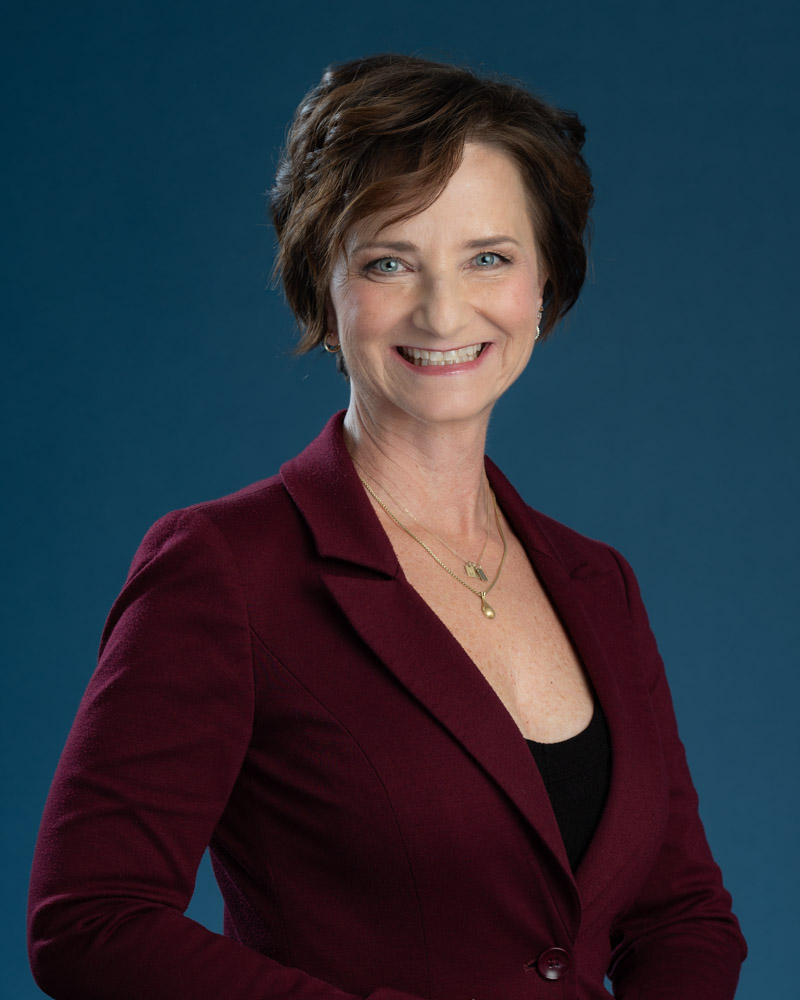
Edith was born in Budapest, Hungary and immigrated to Los Angeles, CA as a small child. She later received a Bachelor of Arts degree in Economics from the University of California, San Diego in 1996. From 1997 to 2002, she worked as a Program Manager at Qualcomm, during which time she also obtained a Certificate in Project Management from the University of San Diego. Edith took some time off to start her family but remained active in her volunteer efforts supporting Rady Children’s Hospital Auxiliary, where she co-chaired nine large fundraising events and served on the Board of Directors for 5 years. During her time at Rady Children’s, Edith became passionate about healthcare and neurosurgery in particular when her daughter became a neurosurgical patient at Radys. Edith joined Senta Neurosurgery’s team supporting Dr. Sanjay Ghosh’s practice in 2019. Given her personal experiences, Edith knows that getting a referral to neurosurgery is a stressful, life altering event, so she truly appreciates being part of the patient care process for Dr. Ghosh’s patients.
When not at work, Edith enjoys spending time with her friends and family, traveling, cooking, and entertaining.
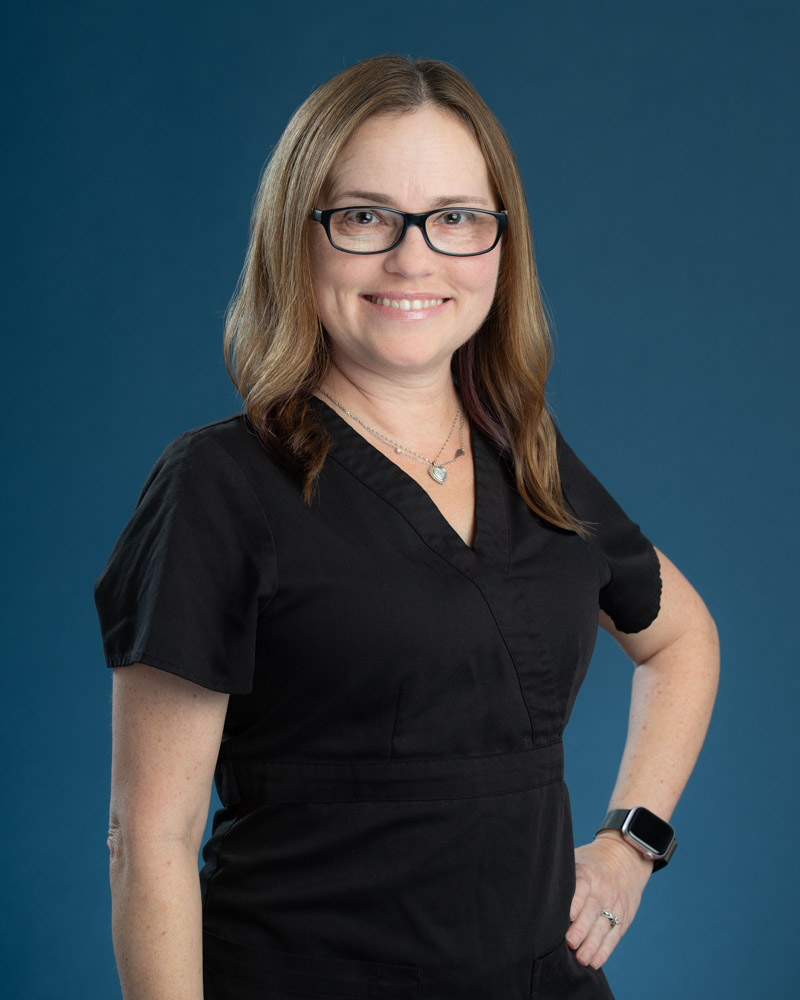
Melissa has an Associate of Science Degree in Medical Office Administration. She has worked in healthcare for over 25 years. She started out working in a radiology department processing film and scheduling exams. Melissa joined Dr. Ghosh’s team in 2003 and uses her skills and experience to schedule Dr. Ghosh’s patients for surgery. She is a fierce advocate for our patients throughout the entire prior authorization and scheduling process, and her goal is to make the scheduling of our patients’ surgeries organized and stress free so that our patients can focus on healing.
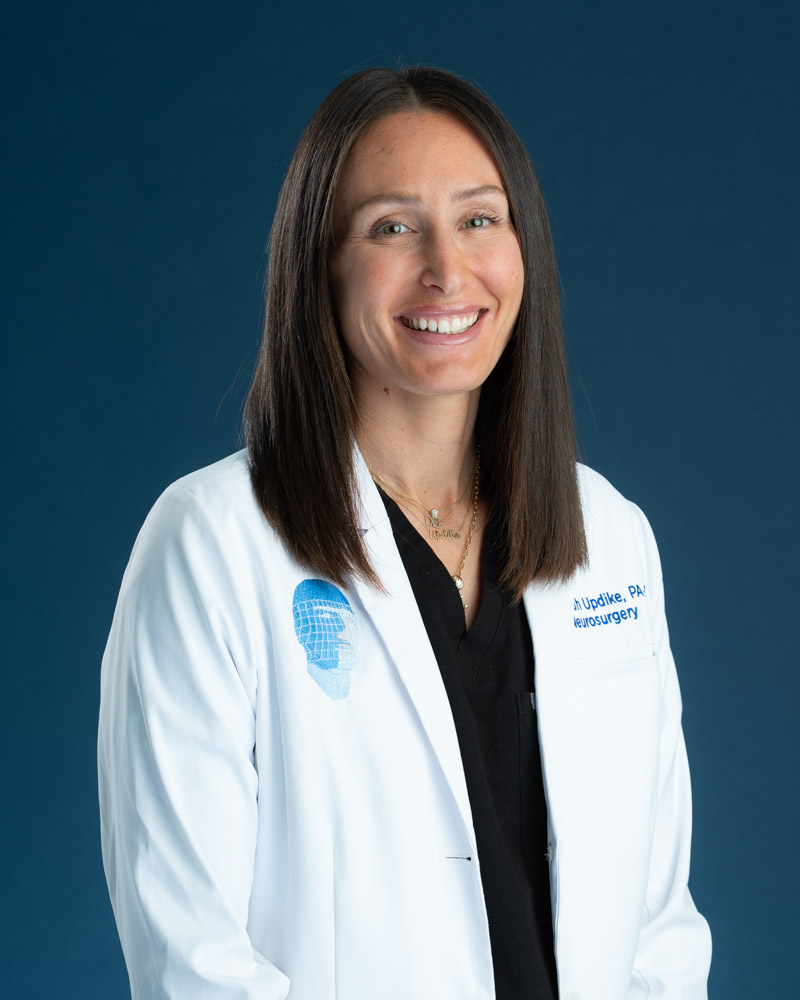
Deborah is a California native. She attended American University in Washington, DC graduating with a Bachelor of Science in Marine Science and Environmental Studies. She was a college athlete, playing NCAA D1 volleyball all four years. She then attended California State University, Long Beach where she received a Masters of Marine Science in Shark Reproductive Physiology. During her first masters degree, she began transitioning into medicine and went on to receive her Master of Medical Science degree in Physician Assistant studies at Midwestern University in Downers Grove, IL. Deborah served as class Vice President. She graduated in 2017 and has been working at Senta Neurosurgery ever since. Deborah is a member of the American Academy of Physician Assistants.
Edith was born in Budapest, Hungary and immigrated to Los Angeles, CA as a small child. She later received a Bachelor of Arts degree in Economics from the University of California, San Diego in 1996. From 1997 to 2002, she worked as a Program Manager at Qualcomm, during which time she also obtained a Certificate in Project Management from the University of San Diego. Edith took some time off to start her family but remained active in her volunteer efforts supporting Rady Children’s Hospital Auxiliary, where she co-chaired nine large fundraising events and served on the Board of Directors for 5 years. During her time at Rady Children’s, Edith became passionate about healthcare and neurosurgery in particular when her daughter became a neurosurgical patient at Radys. Edith joined Senta Neurosurgery’s team supporting Dr. Sanjay Ghosh’s practice in 2019. Given her personal experiences, Edith knows that getting a referral to neurosurgery is a stressful, life altering event, so she truly appreciates being part of the patient care process for Dr. Ghosh’s patients.
When not at work, Edith enjoys spending time with her friends and family, traveling, cooking, and entertaining.
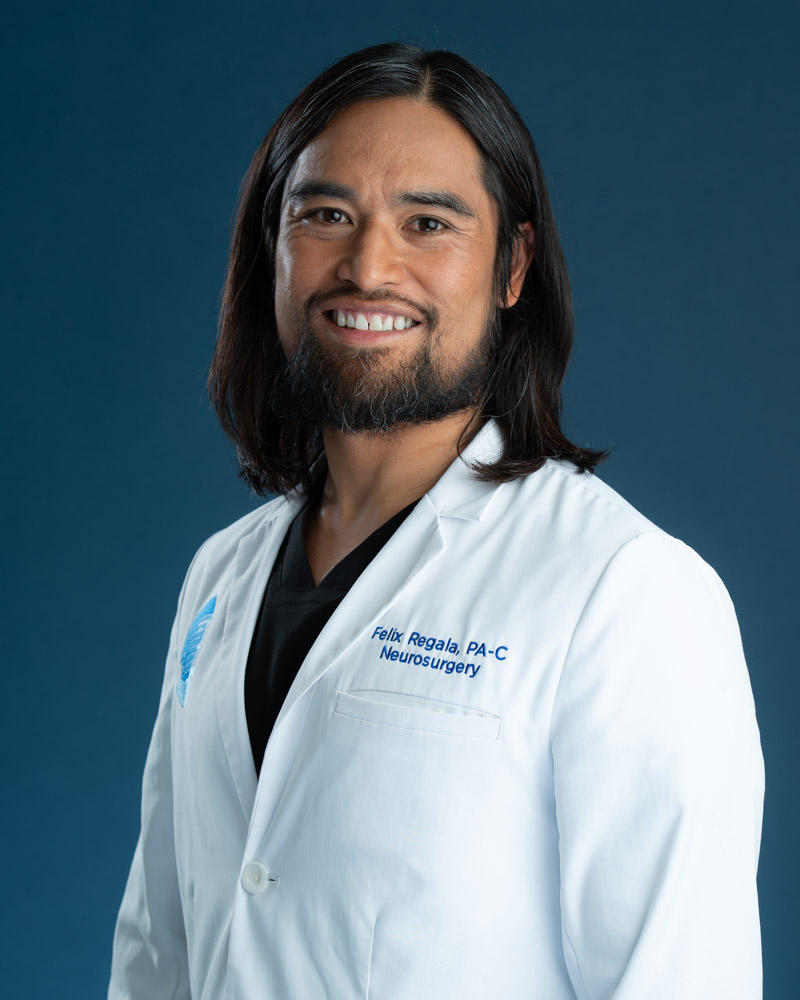
Felix was born and raised in Abilene, Texas where he graduated from Abilene High School in 2001. He was honored with the Chuck and Doris Moser Scholarship for his accomplishments as a varsity athlete in baseball and his excellence in academics and community service. He then attended Baylor University where he graduated in 2004 with a Bachelor of Science degree in biology. Felix then spent a couple of years working in the laboratory at the Salk Institute for Biological Studies and Johnson & Johnson. He then went on to the Keck School of Medicine at University of Southern California to obtain his Master of Physician Assistant Practice degree. Felix graduated from physician assistant school in 2010. While pursuing his PA degree at USC, Felix served as class president and spent time training in neurosurgery and orthopedic spine. Felix has been a PA with Dr. Ghosh since May 2011.
Felix enjoys being active, including playing basketball, surfing, snowboarding, golfing, and exercising. Felix is also a member of the American Academy of Physician Assistants and the California Academy of Physician Assistants.
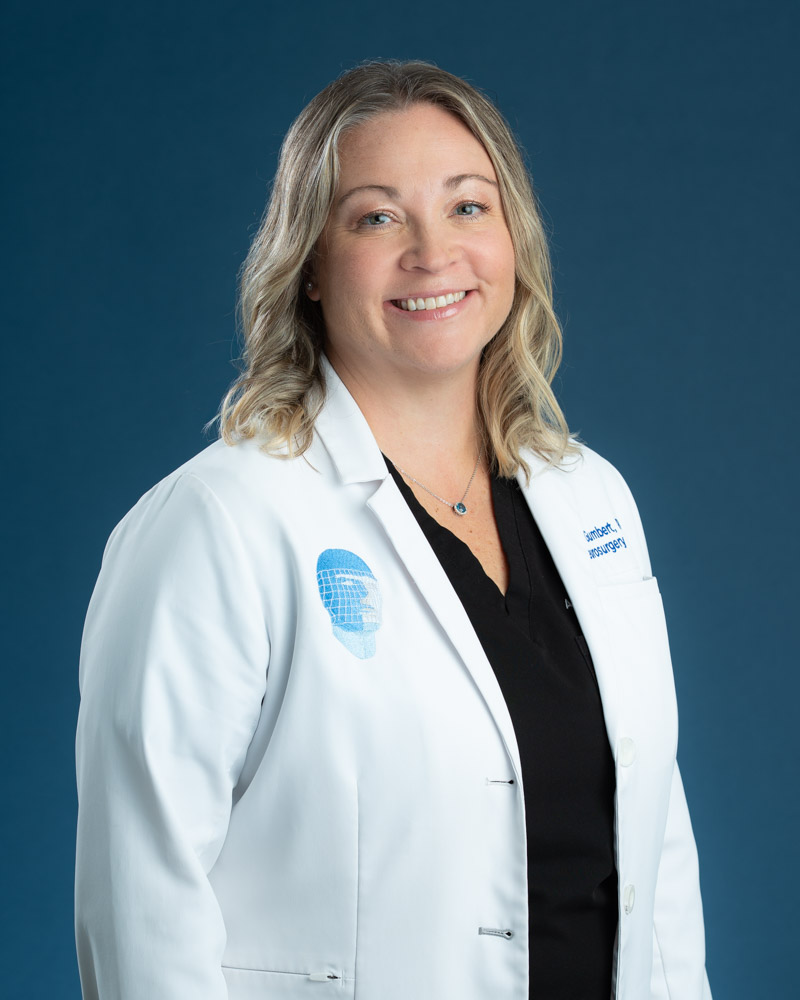
Amanda received her Bachelor of Science degree in Kinesiology at San Diego State University in 2002. She worked as an Exercise Physiologist at the Cardiac Treatment Center at Scripps Memorial Hospital La Jolla before going to PA School. Amanda graduated from Midwestern University in Glendale, Arizona with a Master of Medical Science degree in Physician Assistant studies in 2005. She began working for Dr. Ghosh in January 2006 working as the senior Physician Assistant and manager of the PAs. Amanda has spoken at the national level at the AAPA conference on various neurosurgical topics. She is highly committed to the future Physician Assistants and frequently has students shadow her and acts as a PA student preceptor. She is a member of the American Academy of Physician Assistants, Association of Neurosurgical Physician Assistants, and The San Diego Society of Physician Assistants. Amanda is honored to be a finalist for San Diego Magazine’s Woman of the Year— 2025 Healthcare Pioneer.
When not working, Amanda enjoys hiking, mountain biking, stand up paddle boarding, snowboarding, playing with her dogs and spending time with her family.