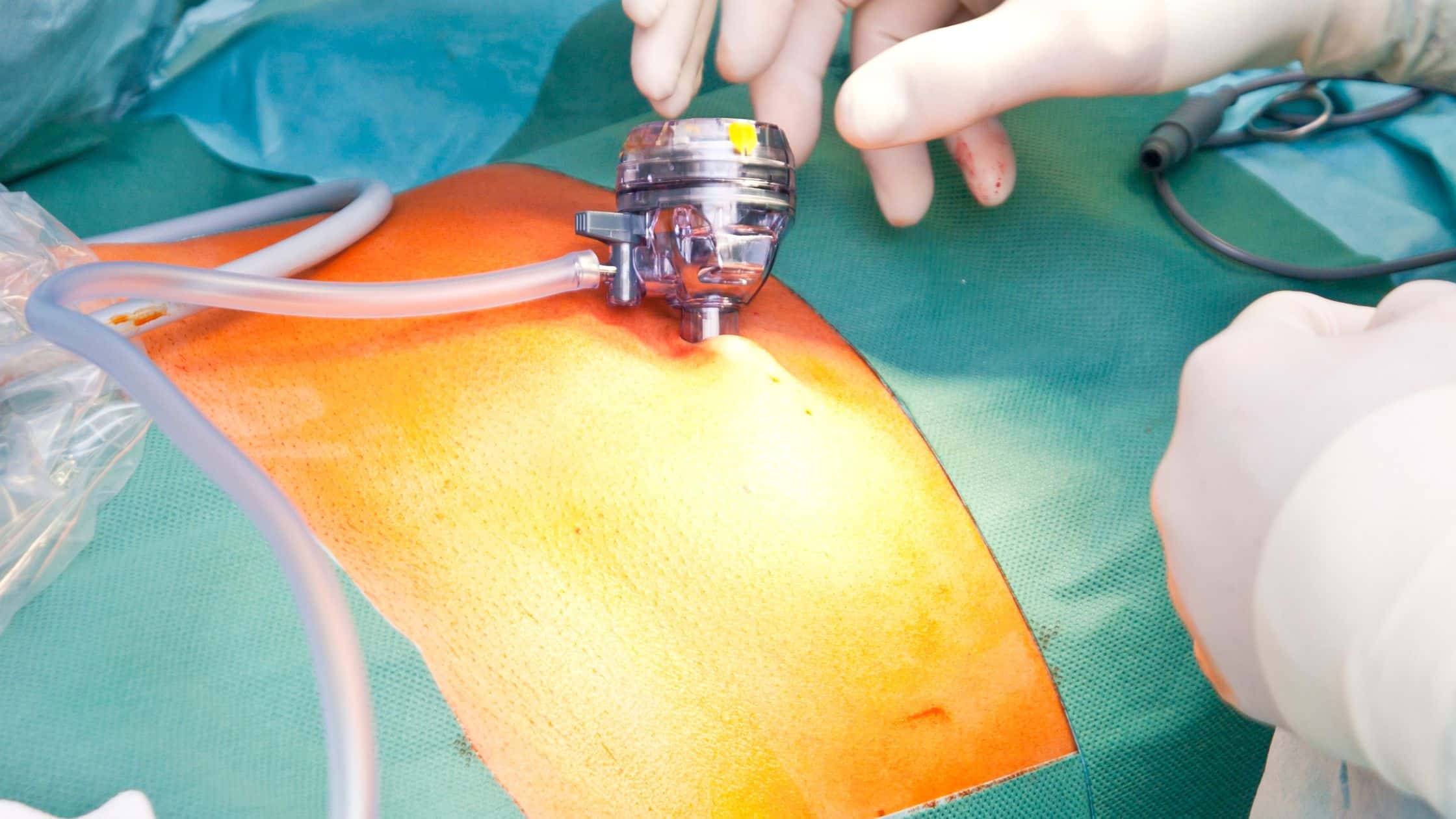
Minimally invasive spine surgery has transformed how we treat conditions such as herniated discs, spinal stenosis, and spondylolisthesis. Unlike traditional open procedures, these techniques use small incisions, specialized tools, and imaging guidance to access the spine with less disruption to surrounding muscles and tissues.
The result is significant: shorter hospital stays, less post-operative pain, and faster return to normal activity.
As a neurosurgeon in San Diego with fellowship training in spine surgery, I’ve performed hundreds of these procedures, including the MiTLIF (minimally invasive transforaminal lumbar interbody fusion). This technique is particularly effective for stabilizing the lower back while preserving spinal mobility.
This guide walks you through the entire process from preparation to recovery, so you know what to expect if minimally invasive spine surgery is recommended.
Quick Answer
Minimally invasive spine surgery in San Diego involves small incisions, tubular instruments, and real-time imaging to treat spinal conditions with minimal muscle disruption. Patients typically walk the same day, go home within 24 hours, and return to work or light activity within two to six weeks (typical in select cases). Common procedures include MiTLIF, microdiscectomy, and decompression for spinal stenosis.
Preparation: Steps Before Your Procedure
The weeks before surgery focus on optimizing your health and ensuring you understand each step. Preparation often includes:
- Initial Consultation and Imaging: Expect a thorough exam, along with MRI or CT scans to pinpoint the affected level. For MiTLIF candidates, we’ll review how the approach targets the foramen (the nerve exit pathway) to relieve compression while minimizing tissue exposure.
- Medical Clearance: Pre-op blood work and cardiac evaluation may be needed. You’ll also receive guidance about stopping blood thinners 7–10 days prior and quitting smoking, as this speeds healing.
- Lifestyle Adjustments: Gentle exercise, a balanced diet, and arranging support at home for the first few days after surgery all make recovery smoother.
Most patients find this phase reassuring, since it builds confidence in the plan and sets realistic expectations. Clear communication with your surgical team is key.
Learn more about Minimally Invasive Spinal Surgery options available in Dr. Ghosh’s San Diego practice.
The Procedure: What Happens in the Operating Room
On the day of surgery, the goal is precision with minimal invasion.
- Anesthesia and Positioning: General anesthesia ensures complete comfort. You’ll be positioned face down on a specialized table that keeps the spine in a neutral alignment.
- Incision and Access: A one- to two-inch incision is made using fluoroscopic (X-ray) guidance. Tubular retractors gently separate, rather than cut, the muscles to create a narrow working channel.
- Core Steps (MiTLIF Example): In a MiTLIF, the damaged disc is removed through the foramen, a bone graft or cage is placed to restore disc height, and screws secure the area for fusion. The process typically takes one to three hours, depending on the number of spinal levels treated.
- Closure and Recovery: The incision is closed with absorbable sutures or surgical glue. You’ll recover in a monitored area before moving to a short-stay unit.
Throughout surgery, intraoperative neuromonitoring tracks nerve function to ensure safety. Many patients are surprised by how streamlined and routine the experience feels.
Recovery: Timeline and Milestones After Surgery
Recovery from minimally invasive spine surgery in San Diego is one of its greatest benefits. Many patients are up and walking within hours and return home the same day.
Please note: The timeline outlined below is a general guideline only; individual recovery can vary significantly depending on your specific procedure, overall health, and how closely you follow post-operative instructions.
| Phase | Timeline | What to Expect |
| Immediate Post-Op | Day 0–1 | Mild soreness managed with oral medication. Short walks encouraged. You’ll go home once mobility and vitals are stable. |
| Early Recovery | Week 1–2 | Increase walking gradually. Avoid bending or twisting. A follow-up visit ensures incision healing. |
| Active Healing | Weeks 3–6 | Begin physical therapy for posture and core strength. Many return to light work or driving. Bone fusion begins forming by month two for MiTLIF patients. |
| Full Return | Months 2–6 | Resume exercise, golf, or hiking. By six months, most report significant pain relief and solid fusion on imaging. |
Stay hydrated, follow post-op instructions carefully, and contact your surgeon immediately if you experience fever, drainage, or new neurological symptoms.
Complication rates tend to be lower in minimally invasive approaches in select patients; in one large matched fusion study, the revision surgery rate at 12 months was 4.1% in MIS vs 5.6% in open surgery.
Potential Challenges and Long-Term Outlook
While recovery is generally smoother than open surgery, some patients may experience temporary stiffness, fatigue, or nerve sensitivity. These issues usually resolve with time and guided rehabilitation.
Many patients experience significant pain relief and improved function after procedures such as MiTLIF; for example, a systematic review in geriatric patients found meaningful improvements in pain and disability scores out to 12 months, though outcomes may vary.
Factors such as age, bone health, and adherence to post-op therapy influence outcomes. Regular follow-ups allow your care team to monitor progress and fine-tune your recovery plan.
Why Choose a Neurosurgeon for Minimally Invasive Surgery
Not all spine surgeons have the same training. Both orthopedic and neurosurgeons perform spinal procedures, but neurosurgeons complete residency focused on the nervous system, the brain, spinal cord, and peripheral nerves.
This expertise translates into precise nerve handling, microsurgical skill, and advanced knowledge of spinal anatomy.
Dr. Sanjay Ghosh, a board-certified neurosurgeon in San Diego, is fellowship-trained in spine and skull base surgery. He has served as Director of Neurosurgery at the SENTA Clinic for over a decade and is consistently recognized as a Castle Connolly Top Doctor and San Diego Magazine Top Doctor.
Final Thoughts
Minimally invasive spine surgery offers the possibility of faster healing, smaller incisions, and long-term relief from back or leg pain. But success depends on understanding each stage and working closely with your surgical team.
If you’ve been recommended for MiTLIF or another minimally invasive spine procedure, being informed is your best preparation.
Dr. Sanjay Ghosh is a board-certified neurosurgeon at SENTA Clinic in San Diego, fellowship-trained in spine and cranial-base surgery. This content is educational and not a substitute for personalized medical advice.
Key Takeaways
- Minimally invasive spine surgery uses small incisions and advanced imaging for faster recovery.
- The MiTLIF procedure stabilizes the lower back while preserving motion and reducing pain.
- Many patients walk the same day and resume normal activity within six weeks.
- Long-term outcomes show high success rates and satisfaction.
- Dr. Sanjay Ghosh provides advanced, patient-centered care in San Diego at the SENTA Clinic.
If you’re considering minimally invasive spine surgery in San Diego and want expert guidance tailored to your condition, schedule a consultation with Dr. Sanjay Ghosh today. Call or text (619) 810-1010 or visit our contact us page to request an appointment.