
Spine Surgery & Procedures
Revision Spinal Surgery: What It Means and When It’s Needed

Hearing that you might need another spine surgery after already going through one can feel discouraging. Many patients worry that a “second surgery” means the first one failed or that things will only get worse. In reality, revision spinal surgery is a specific, carefully planned operation that is considered when there is a clear structural…
Read MoreHow to Know When a Herniated Disc Requires Surgery

A herniated disc can turn simple movements into sharp, shooting pain. For some people, it feels like lightning in their legs or arm. For others, it is a deep ache that never fully let’s go. The good news is that most herniated discs do not need surgery. Many people in San Diego improve with time,…
Read MoreWhat to Expect in the First Week After Minimally Invasive Spine Surgery
Minimally invasive spine surgery uses small incisions, tubular retractors, and imaging guidance to treat spinal problems with less muscle disruption than traditional open surgery. For many patients, this approach means shorter hospital stays, less blood loss, and faster early recovery. Still, the first week after surgery can feel uncertain. Patients often ask: How much pain…
Read MoreLife After Spine Surgery: Tips for Returning to Work, Exercise, and Normal Life

Spine surgery is a major step, but for most people, it is just the beginning of a longer journey. The real goal is not the operation itself; it is getting back to normal life, work, and the activities you enjoy. Patients in San Diego often ask: “How long before I can drive again? When can…
Read MoreRevision Spine Surgery: A Second Chance After Failed Back Surgery
Most people hope spine surgery will be a one-time solution. For many, it is. Pain improves, function returns, and life gradually feels normal again. However, some patients continue to have back or leg pain after surgery or feel better at first and then notice symptoms returning months or years later. This situation is sometimes called…
Read MoreWhat Happens After a Lumbar Fusion Surgery? Recovery, Limitations & Long-Term Outlook
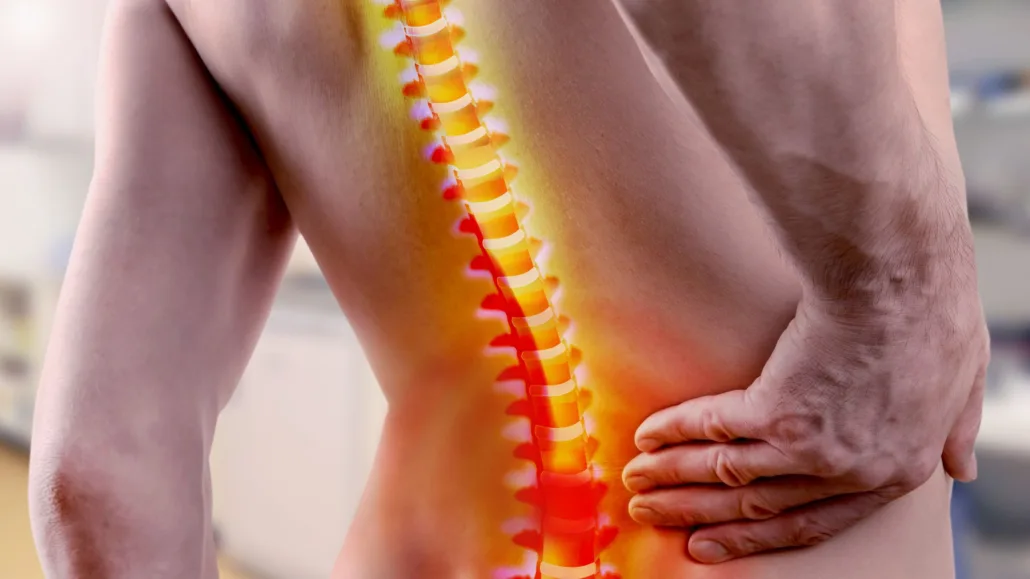
Lumbar fusion surgery can be life-changing for people with severe back or leg pain from conditions such as spondylolisthesis, spinal stenosis, or advanced disc degeneration. The goal is to stabilize the spine and relieve pressure on irritated nerves. If you are scheduled for lumbar fusion surgery in San Diego, or you are recovering from a…
Read MoreWhat Causes Sciatica and When to See a Neurosurgeon in San Diego

“Sciatica” refers to leg pain that travels along the path of the sciatic nerve, typically from your lower back through the buttocks and down one leg. Symptoms may include numbness, tingling, or weakness; often these start with a pinched nerve in the lumbar spine. Many people recover with time or conservative treatments; however, when pain…
Read MoreBrain Tumor and Skull Base Surgery in San Diego: A Patient’s Guide

Brain tumors can be primary (originating in the brain) or metastatic (spreading from another part of the body). They can be benign, like meningiomas or pituitary adenomas, or malignant, such as glioblastoma multiforme (GBM). In San Diego, patients have access to advanced centers specializing in both complex brain and skull base surgery, which often require…
Read MoreComparing ACDF vs Artificial Disc Replacement – Which Is Right for You?
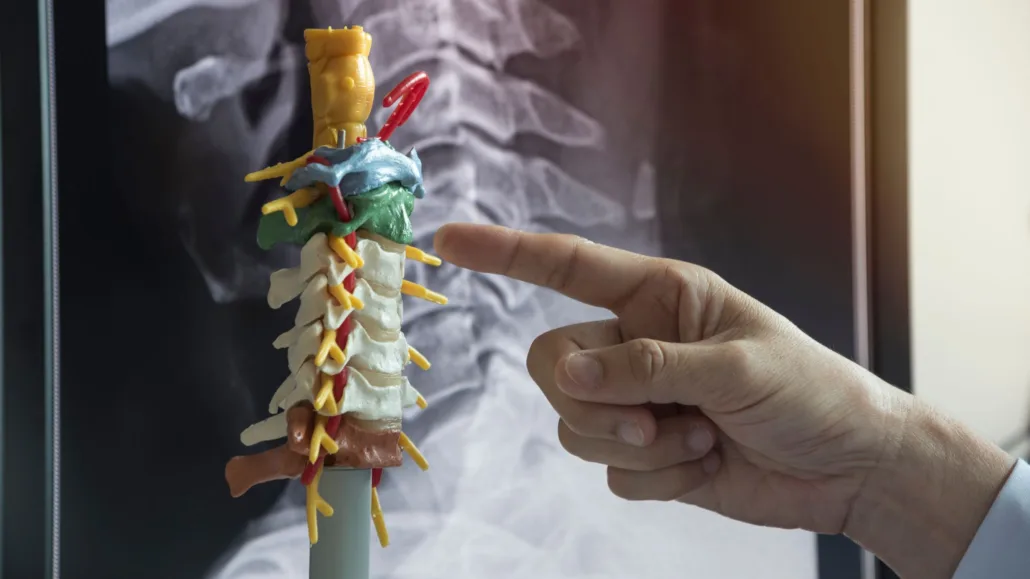
Neck pain from conditions such as cervical disc herniation or degenerative disc disease can disrupt daily life, often leading patients to explore surgical options. Two common approaches in San Diego are Anterior Cervical Discectomy and Fusion (ACDF) and Artificial Disc Replacement (ADR). Both aim to relieve nerve compression and restore stability, but they differ in…
Read MoreMinimally Invasive Spine Surgery: What to Expect Before, During & After
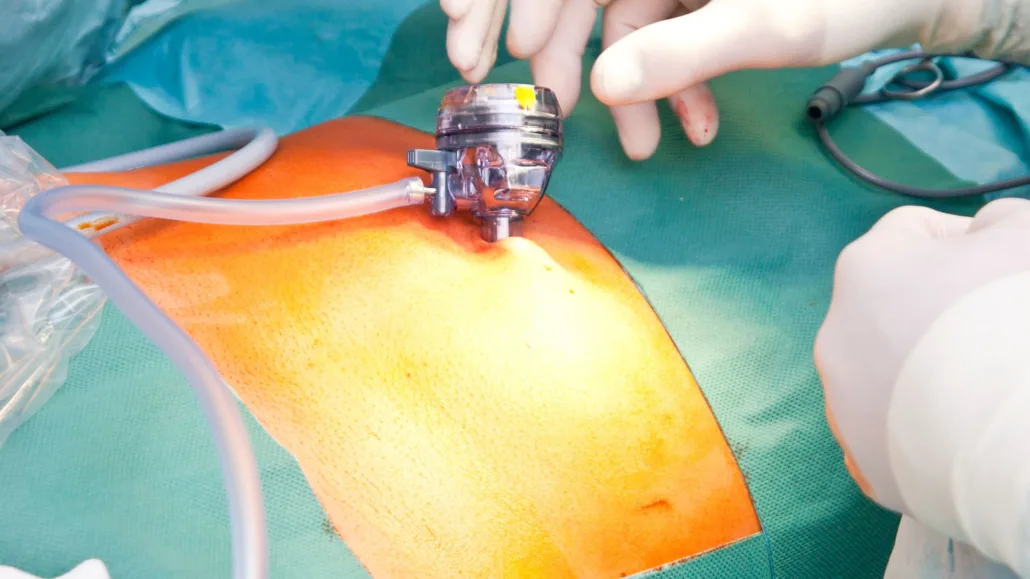
Minimally invasive spine surgery has transformed how we treat conditions such as herniated discs, spinal stenosis, and spondylolisthesis. Unlike traditional open procedures, these techniques use small incisions, specialized tools, and imaging guidance to access the spine with less disruption to surrounding muscles and tissues. The result is significant: shorter hospital stays, less post-operative pain, and…
Read More